
题目列表(包括答案和解析)
|
broadcast1/'brɔ:dkɑ:st||ˈbrɔdˌkæst/n[C] a programme on the radio or on television: a radio news broadcast | live broadcast ( = a programme that you see or hear at the same time as the events are happening) broadcast2 v past tense and past participle, broadcast 1 [ I,T] to send out radio or television programmes: The interview was broadcast live across Europe. 2 [T] to tell something to a lot of people: There was no need to broadcast the fact that he lost his job. broadcaster /ˈbrɔːdkɑːstə || ˈbrɔːdkæstər/ n [C] |
curious/ ˈkjʊəriəs || 'kjur-/ adj 1 wanting to know about something: When I mentioned her name everyone was curious. | [ +about] I’m incurious about this book she's supposed to be writing. |curious to see/hear/know etc: Mandy was curious to hear what Peter had to say himself.—opposite INCURIOUS 2 strange or unusual: a curious noise coming from the cellar | curious that It's very curious that she left without saying goodbye. curl1 /kɜ:l|| kɚrl/ n 1[C] a small mass of hair |
|
flask / flɑ:sk || flæsk/n [C] I BrE a special type of bottle that you use to keep liquids either hot or cold, for example when travelling 2 a flat bottle usually used to carry alcohol 3 a glass bottle with a narrow top, used in a LABORATORY flat1/ flæt / adj flatter, flattest 1▶ SURFACE◀ smooth and level, without raised or hollow areas, and not sloping or curving: a flat-bottomed boat |a perfectly flat sandy beach | flat as a |
pollute / pə'lu:t/ v [T] 1 to make air, water, soil etc dangerously dirty and not suitable for people to use: beaches polluted by raw sewage | industrial emissions that pollute the air 2 pollute sb’s mind to give someone immoral thoughts and spoil their character: fears that Lawrence's novels would pollute young minds--polluted adj: polluted rivers--polluter n [C] pollution / pəˈlu:ʃn /n [U] 1 the process of making |
1.The pronunciation of the word "broadcast" is ____ or/ˈbrɔdˌkæst /.
A. /'brɔ:dkɑ:st/ B. /'brəud'sɑ:st/ C. /bræd'kɔst/ D. /'bru:dkɑ:st/
2.The word"____ "can be used as an adjective (形容词).
A. pollute B. pollution C. curious D. curiously
3.Which of the following is a flask?

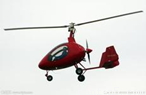

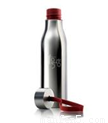
A. B. C. D.
4. The word "pollute" means "______".
A. to tell something to a lot of people B. wanting to know about something
C. a programme on the radio or on TV D. to make air. water, soil, etc dirty
5.These texts are probably from ______.
A. a magazine B. a dictionary
C. a newspaper D. an advertisement
阅读理解
阅读下面短文,然后按要求做题.
take phrasal verbs
take after sb, phr. v [T not in progressive form]to look or behave like (an older relative): Mary really takes after her mother; she has the same eyes, nose and hair.
take off phr. v
1.[T](take sth, off) to remove (esp. clothes): Take your coat of f. opposite put on.
2.[I](of a plane, spacecraft, etc.) to rise into the air at the beginning of a flight.
3.[T](take sb. off) informal to copy the speech or manners of (someone), esp. for amusement; mimic: The actor made everyone laugh by taking off the members of the royal family.
4.[T](take sth, off) to have a holiday from work on (the stated day) or for (the stated period): I'm taking Thursday off because 1'm moving house./Take a few days off, Michael.
5.[I]to begin to become successful, popular, or well-known: It was at this point that her acting career really took off.
6.[I]informal to go away, esp. on a journey or to leave in a hurry: She just took off without saying goodbye to anyone.
take (sth.) over phr. v
[I; T]to gain control over and be responsible for (something): Who do you think will take over now that the governor has Left./I'm feeling too tired to drive any more; will you take over?
take to sb./sth. phr. v
[T]to feel a liking for, esp. at once: I took to Paul as soon as we met./I'm not sure if he'll take to the idea.
take sb./sth, up phr. v [T]
1.to begin to spend time doing; interest oneself in:John took up acting while he was at college. [+-ving]Alfred's just taken up playing the guitar.
2.(of things or events) to fill or use (space or time) esp. in a way that is unpleasant:The job took up most of Sunday./These boxes of yours are taking up too much space.
3.to continue:I'll take up the story where I finished yesterday.
注释:amusement n.娱乐活动 gain vt.获得
mimic adj.模拟的 responsible adj.有责任的
根据短文内容选择最佳
1.Which “take off” in the following sentences has a different meaning?
[ ]
A.I took a week off in October and I'm taking off Thanksgiving, too.
B.Everyone takes Christmas off.
C.She used to take off her teacher to make her friends laugh.
D.You need a break. Why not take a fortnight off from work?
2.Melissa ________ her father in being generous.
[ ]
3.“Today, we are to ________ Unit 11, Planting trees.” Our teacher said to us at the very beginning of the class.
[ ]
4.He will ________ my job while I ________ a week ________ for New York.
[ ]
A.take after, take…to
B.take up, take…after
C.take to, take…over
D.take over, take…off
5.I ________ her the moment I met her.
[ ]
1. e ________: set up
2. t __________ up: come up with
3. c __________ up with: make someone happier
4. v _______: a doctor who works for animals
5. c ______: teach or train sb. esp. for an examination or a sports contest
6. s _______: resembling sb. / sth. not the same alike.
involve
1)v.to cause sb.to become connected or concerned
e.g.Don't ________ others in your mistakes.You should face it yourself.
2)v.to have as a part or result
e.g.Taking the job ________ living abroad.
3)adjective form of involve.involved
4)noun form of involve:involvement
Millie is not sure about the meanings of some words in the TV guide. Help her find out the correct meanings of them.
湖北省互联网违法和不良信息举报平台 | 网上有害信息举报专区 | 电信诈骗举报专区 | 涉历史虚无主义有害信息举报专区 | 涉企侵权举报专区
违法和不良信息举报电话:027-86699610 举报邮箱:58377363@163.com