
题目列表(包括答案和解析)
从方框中选出填在句中空白处的最佳选项,其中有2项为多余选项。
(共5小题;每小题2分,满分10分)
A: Where are you going for your holiday this year, Wu Dong?
B: 61
A: How are you going to get there?
B: We are going to get there by air.
A: 62
B: We are leaving the day after tomorrow.
A: 63
B: Thank you. 64
A: In the countryside. I’ll never forget the place where I was born. I’d like to see all the people there. I miss them very much.
B: 65 I think you must have a good time in your hometown.

从方框中选出填在句中空白处的最佳选项,其中有2项为多余选项。
(共5小题;每小题2分,满分10分)
A: Where are you going for your holiday this year, Wu Dong?
B: 61
A: How are you going to get there?
B: We are going to get there by air.
A: 62
B: We are leaving the day after tomorrow.
A: 63
B: Thank you. 64
A: In the countryside. I’ll never forget the place where I was born. I’d like to see all the people there. I miss them very much.
B: 65 I think you must have a good time in your hometown.

Do you know how many boys and girls are not getting education around the world? If you want to find out what’s happening, have a look at the education information in UNICEF’s report, The State of the World’s Children 2006.
Numbers of Primary—school—age Children not in School(in millions)
| Countries | Boys | Girls | Total |
| Sub—Saharan Africa | 21.6 | 23.8 | 45.4 |
| Middle East and North Africa | 3.7 | 5.1 | 8.8 |
| South Asia | 18.7 | 23.6 | 42.3 |
| East Asia and Pacific | 5.2 | 4.9 | 10.0 |
| Latin America and Caribbean | 1.8 | 1.5 | 3.3 |
| Central and Eastern Europe, the Commonwealth of Independent States and the Baltic States | 1.3 | 1.6 | 2.9 |
| Industrialized(工业化的) Countries | 1.4 | 1.2 | 2.6 |
| World | 53.7 | 61.7 | 115.4 |
1. The form shows us____________.
A. girls have more chances to go to school than boys in the world
B. the numbers of boys and girls who are not going to primary school
C. the numbers of boys and girls in different countries
D. there are more boys than girls in the world
2. In industrialized counties, ______________.
A. there’re less children who are not going to primary school than in other countries
B. every child has the chance to go to school
C. the number of girls who go to primary school in smaller than that of boys
D. most children do not get primary education at the right age
3. The total number of girls in the world who are not getting primary education is __________.
A. 53.7 million B. 61.7 million C. 115.4 million D. 45.4 million
4. ___________ has the largest number of girls who are not in primary school.
A. Sub—Saharan Africa B. South Asia
C. East Asia and Pacific D. Middle East and North Africa
5. Which of the following is NOT true according to the passage?
A. Developing countries have more children who are not getting primary education.
B. Children in industrialized countries may have more chances to go to primary school.
C. The number of boys who are not getting primary education in every part of the world is smaller that that of girls.
D. The total number of girls who are getting primary education is more than 60 million.
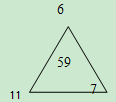
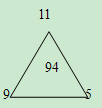
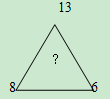
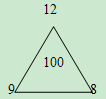
| Which number should replace ( 代替 ) the question mark? | |||
 |
 |
 |
 |
|
[ ] | |||
| A. 26 B. 61 C. 86 D. 98 | |||
湖北省互联网违法和不良信息举报平台 | 网上有害信息举报专区 | 电信诈骗举报专区 | 涉历史虚无主义有害信息举报专区 | 涉企侵权举报专区
违法和不良信息举报电话:027-86699610 举报邮箱:58377363@163.com