
题目列表(包括答案和解析)
阅读下面短文,根据所读内容,在文章后小题的空格里填入一个最恰当的单词。
注意:每个空格只填一个单词。
It seems school children all over the world complain about their school food. Cherie Blair, wife of former British Prime Minister Tony Blair, said that she would prepare a packed lunch for her son if school dinners do not improve. So what do students of your age eat for lunch at school?
Japan
High schools have canteens, which serve everything from noodles to rice, but not burgers and chips. Other children bring food from home such as cold rice balls, meat or fish, pickles(泡菜) and vegetables.
Students take home a menu for the coming month containing notes on nutrition value. Twice a year parents are invited to have a taste of the food. The class with the fewest leftovers(剩饭) at the end of the month receives a prize.
United States
A typical menu from a US school is made up of a hamburger with fried potatoes or roast chicken, lettuce and pickles, fruit and cookies. School lunches must also provide at least one-third of the daily dietary allowances(定量) of protein, vitamin A, vitamin C, iron, calcium and calories.
Australia
Meat pies, sausage rolls and hot dogs are all traditional dishes in Australian school shops. But as the nation pays more attention to children’s health, healthier foods have started to find their way onto school menus.
Many schools have used a traffic light system. The sale of red-labelled foods, including pastries, chocolate and soft drinks, is served only twice a week. Healthier green-labelled foods such as sushi, sandwiches, corn and watermelon, however, are available every day.
In some schools, students have a choice of up to 89 foods to choose from, including popcorn and rice.
South Africa
Most of South Africa’s schools do not serve meals at all. Classes end at 1:30 pm and students get their own lunches. Many students bring food from home, usually sandwiches.
Fast food and fried food sell the best among students, which has led to a rise in obesity among children. But as more people began to realize the fact that being too fat may cause different diseases, some schools in towns have led the way towards better nutrition(营养). Now students at these schools are provided with lunches of porridge with vegetables, such as cabbages, onions, beans, carrots and tomatoes.
| Schools serve different foods in different 1 . | |
| Japan | In high schools, children can buy everything, such as noodles and rice. But they can’t buy burgers and 2 from canteens. Some children 3 food from their homes. The class will get a prize if they have the 4 leftovers in a 5 . |
| United States | Children can get 6 of daily nutrition from their lunch at school. |
| 7 | School shops 8 students with traditional dishes. The sale of green-labelled foods is served every day, 9 Red-labelled foods are sold once a week. |
| South Africa | Students like eating fast food and fried food so that they are overweight. Students in some schools in towns can eat vegetables to 10 fit. |
| Li Jun China I dislike rain. It seems that even though you have an umbrella, you can’t protect yourself from the rain. Whenever it rains, I’ll get wet so I have to go back home to change my clothes. It is just uncomfortable. |
| Kate Ukraine I love spring. In spring, it starts to get warm. I enjoy going outside without a coat. And it never gets too hot in spring. I dislike the hot summer because we can’t find a place to get away from the hot sun at all. |
| Lucy America I like rainy days. When it is raining, I can read my favorite book in a warm bed. I also like listening to the sound of rain. It makes me relaxed. |
| Simon Russia My favorite season is summer. There are two reasons why I like it. First, I was born in summer, Second, it’s hot in summer, and I like to swim in the sea and sunbathe on the beach. |
| A.Kate | B.Lucy | C.Li Jun | D.Simon |
| A.Ukraine, Li Jun | B.China, Lucy | C.America, Simon | D.Russia, Kate |
| A.游泳 | B.晒太阳 | C.打排球 | D.洗淋浴 |
| A.Li Jun thinks hot days make him uncomfortable. |
| B.Kate enjoys going outside without a coat in warm weather. |
| C.Lucy likes reading in a warm bed on a rainy day. |
| D.Simon likes to swim in the sea and sunbathe on the beach on hot days. |
| A.children all over the world like rainy days |
| B.different children like different kinds of weather |
| C.different children have different ways to study |
| D.what children usually do in different kinds of weather |
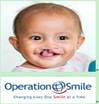
Have you ever heard of a famous charity called Operation Smile? We hope we can help you understand how we are trying to help children all over the world.
Operation Smile was started by a doctor and his wife. In 1982, together with some volunteers, they went to Philippines to help children who had holes in their lips or inside their mouths. It was very difficult for them to eat and drink. These volunteers worked very hard. But they worried that they could not carry on with the work because they were short of money. Then they decided to start a charity so that they could help these needy children. They called it Operation Smile.
Operation Smile works in more than twenty developing countries and has cured over 10,000 children who have problems with their mouths. Operation Smile has won many prizes for its work and in 1999 they even started a special event called “The World Journey of Hope”. 5,000 children in 18 countries are cured during the event.
On the other hand, Operation Smile trains local doctors and nurses in developing countries so that they can continue to help children when Operation Smile has left. As to the children with much more serious problems, they will send them to America for further treatment.
So show your kindness and generosity to the needy children now. You can send your donation to Operation Smile at local banks. Many thanks from the children who can smile now will come to you.
【小题1】Operation Smile is a famous _____, which was started by a doctor and his wife.
| A.school | B.charity | C.building | D.person |
| A.curing the children who have problems with their mouths |
| B.helping poor children go back to school |
| C.helping blind children to see again |
| D.offering houses to homeless children |
| A.there were no more volunteers |
| B.they went to America for further study |
| C.they didn’t have enough money |
| D.the doctors were too busy |
| A.To donate money at local banks. |
| B.To be a volunteer in Philippines. |
| C.To send cards to the needy children. |
| D.To be a doctor of Operation Smile. |
|
Li Jun China I dislike rain. It seems that even though you have an umbrella, you can’t protect yourself from the rain. Whenever it rains, I’ll get wet so I have to go back home to change my clothes. It is just uncomfortable. |
|
Kate Ukraine I love spring. In spring, it starts to get warm. I enjoy going outside without a coat. And it never gets too hot in spring. I dislike the hot summer because we can’t find a place to get away from the hot sun at all. |
|
Lucy America I like rainy days. When it is raining, I can read my favorite book in a warm bed. I also like listening to the sound of rain. It makes me relaxed. |
|
Simon Russia My favorite season is summer. There are two reasons why I like it. First, I was born in summer, Second, it’s hot in summer, and I like to swim in the sea and sunbathe on the beach. |
1.___________ doesn’t like the rainy weather.
|
A.Kate |
B.Lucy |
C.Li Jun |
D.Simon |
2.The child from __________enjoys the rain sound and __________ likes hot days best.
|
A.Ukraine, Li Jun |
B.China, Lucy |
C.America, Simon |
D.Russia, Kate |
3. The underlined word “sunbathe” means “_________” in Chinese.
|
A.游泳 |
B.晒太阳 |
C.打排球 |
D.洗淋浴 |
4.Which of the following is WRONG?
|
A.Li Jun thinks hot days make him uncomfortable. |
|
B.Kate enjoys going outside without a coat in warm weather. |
|
C.Lucy likes reading in a warm bed on a rainy day. |
|
D.Simon likes to swim in the sea and sunbathe on the beach on hot days. |
5.The form wants to tell us ______________.
|
A.children all over the world like rainy days |
|
B.different children like different kinds of weather |
|
C.different children have different ways to study |
|
D.what children usually do in different kinds of weather |
阅读下面短文,根据所读内容,在文章后小题的空格里填入一个最恰当的单词。
注意:每个空格只填一个单词。
It seems school children all over the world complain about their school food. Cherie Blair, wife of former British Prime Minister Tony Blair, said that she would prepare a packed lunch for her son if school dinners do not improve. So what do students of your age eat for lunch at school?
Japan
High schools have canteens, which serve everything from noodles to rice, but not burgers and chips. Other children bring food from home such as cold rice balls, meat or fish, pickles(泡菜) and vegetables.
Students take home a menu for the coming month containing notes on nutrition value. Twice a year parents are invited to have a taste of the food. The class with the fewest leftovers(剩饭) at the end of the month receives a prize.
United States
A typical menu from a US school is made up of a hamburger with fried potatoes or roast chicken, lettuce and pickles, fruit and cookies. School lunches must also provide at least one-third of the daily dietary allowances(定量) of protein, vitamin A, vitamin C, iron, calcium and calories.
Australia
Meat pies, sausage rolls and hot dogs are all traditional dishes in Australian school shops. But as the nation pays more attention to children’s health, healthier foods have started to find their way onto school menus.
Many schools have used a traffic light system. The sale of red-labelled foods, including pastries, chocolate and soft drinks, is served only twice a week. Healthier green-labelled foods such as sushi, sandwiches, corn and watermelon, however, are available every day.
In some schools, students have a choice of up to 89 foods to choose from, including popcorn and rice.
South Africa
Most of South Africa’s schools do not serve meals at all. Classes end at 1:30 pm and students get their own lunches. Many students bring food from home, usually sandwiches.
Fast food and fried food sell the best among students, which has led to a rise in obesity among children. But as more people began to realize the fact that being too fat may cause different diseases, some schools in towns have led the way towards better nutrition(营养). Now students at these schools are provided with lunches of porridge with vegetables, such as cabbages, onions, beans, carrots and tomatoes.
|
Schools serve different foods in different 1 . |
|
|
Japan |
In high schools, children can buy everything, such as noodles and rice. But they can’t buy burgers and 2 from canteens. Some children 3 food from their homes. The class will get a prize if they have the 4 leftovers in a 5 . |
|
United States |
Children can get 6 of daily nutrition from their lunch at school. |
|
7 |
School shops 8 students with traditional dishes. The sale of green-labelled foods is served every day, 9 Red-labelled foods are sold once a week. |
|
South Africa |
Students like eating fast food and fried food so that they are overweight. Students in some schools in towns can eat vegetables to 10 fit. |
湖北省互联网违法和不良信息举报平台 | 网上有害信息举报专区 | 电信诈骗举报专区 | 涉历史虚无主义有害信息举报专区 | 涉企侵权举报专区
违法和不良信息举报电话:027-86699610 举报邮箱:58377363@163.com