
题目列表(包括答案和解析)
There was once a young mouse that lived in a hole in a wall. One day, the young mouse woke up from his sleep and looked out of the hole. As he looked out, a fantastic smell came to his nose. “Cheese!” the mouse said happily to himself. “I’ll go and get it now and have it for breakfast.”
But then he remembered his parents’ words. His parents were very clever mice and often said to their son, “Always wait before you go for a piece of cheese.”
So the young mouse waited quietly. Then he heard a quiet “Miaow” and he knew the cat was there. He stayed in the hole and said to himself, “I’m glad I listened to my parents and learned to wait.”
The next day, he looked out again. He put his nose out of the hole, and the beautiful smell of cheese came to his nose again. He could see the cheese. It was only a few centimetres away. But he sat still and waited quietly. This time he did not hear any cat’s noise. Instead he heard a very quiet “Woof, woof.”
“It’s a dog!” he thought. “If the dog is there, the cat won’t be there. I expect the dog has chased the cat away, so I’m safe.” The mouse ran out of the hole and started eating the cheese. He did not see the cat, which caught him and ate him.
When the cat finished her meal, she said to herself, “I’m glad I listened to my parents and learned a second language.”
1.Who told the mouse to wait before going for a piece of cheese?
A. The cat. B. The dog. C . The cat’s parents. D. The mouse’s parents.
2. How did the young mouse know the cat was there?
A. He heard the cat. B. He saw the cat. C. He smelt the cat. D. He knew the cat.
3.What was the cat’s meal?
A. The mouse’s parents. B. The cheese. C. The young mouse. D. The fish.
4.Which language did the cat learn as a second language?
A. English. B. Chinese. C. Dog language. D. Mouse language.
5.Which of the following sentences is Not True according to the passage?
A. The young mouse lived in a hole in a wall.
B. The next day the mouse didn’t hear any cat’s noise.
C. The cat pretended to be a dog by making the noise “woof”.
D. The mouse’s parents told their daughter to wait before going for a piece of cheese.
Armida Scarpa is an English teacher. She believes that stories can be used from the very beginning. She uses a real text of Goldilocks with her class. 1 . They are in their second year at school. They are learning to read in Italian, and have English three times a week. She doesn’t expect the children to learn the difficult grammar. 2 . She only asks them to really learn the words. This method is to give children an experience of real English and allows the teacher to use almost any story. 3 and if the teacher uses it carefully, the children can understand it.
Children are used to living in a world where they do not understand a lot of things. 4 , but they can also notice all the other information around them. If we deprive (剥夺) children of every experience except those we want them to master, then we take away the chance for them to experience this natural growth.
| A. Most children take what we find for them B. But she does want to show them that they can make sense of them C. Her class are a group of seven-year-old pupils D. If the children like the story E. Because they are interested in the story |
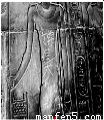
More and more Chinese people go traveling abroad during these years. But not all tourists behave well in the places of interest. Recently, a story about a 15-year-old Chinese tourist has caused a heated discussion online.
【1】The 15-year-old teenager carved 刻 “Ding Jinhao 丁锦昊 was here” in Chinese in the 3,500-year-old Luxor Temple卢克索神庙. A Chinese traveler took a photo and shared it on Sina Weibo on May 24.
Many people were angry about what Ding had done and decided to search the Internet for the boy. 【2】他们只花了一天时间就在南京找到了他的有关信息。After that, Ding’s parents quickly said sorry to the media. “We want to say sorry to the Egyptian people and to people who have paid attention to this matter across China,” Ding’s mother said.
Ding’s parents said they should face it and their son had 【3】a learned his lesson.
【3】b ????? to Xinhua, local Egyptians had worked to try and clean the sculpture雕像. 【4】There was some improvement, but the words could not be totally wiped off.
阅读短文,根据其内容,完成下列任务。
任务一:将1.处划线的句子译成汉语。
?????? ??????????????????????????????????????????????????????????????????? ??????????????????
任务二:将2.处划线的句子译成英语。
?????? ??????????????????????????????????????????????????????????????????? ???????????????????
任务三:Guess the Chinese meaning of “learn lesson” in 【3】a: ????????????????????? ????????????
在文中3.b处填入一个适当的单词???????????????????????????????????? ????????????
任务四:写出文中4.处句子的同义句。
?????? ??????????????????????????????????????????????????????????????????? ?????????????????????
任务五:5.在短文中找一个恰当短语作为短文的标题。
?????? ??????????????????????????????????????????????????????????????????? ??????????????????????
What’s a blog? A blog is a personal online diary(日记). It’s cool, it’s hot, and everyone is doing it. People talk about it often. Sound like a fashion? In fact, It’s another trend (流行趋势). And the word “blogger” means a person who writes diaries online. Are you a blogger?
Many bloggers are teenagers who log (进入) onto websites to discuss anything in their lives. Many of today’s teenagers are not afraid to openly discuss everything in their lives. Teenagers complain about their parents and homework. They share diaries, post(发布) songs from the latest bands and show pictures of theirs. They write their own poems, say something about their girlfriends or boyfriends and complain to each other or offer support. But mostly they just write down what they do every day.
However, many parents are worried about these young bloggers. Parents see the kids talking about how they got drunk last weekend and how they don’t like studying. They are using the language that is surprising to their parents. Besides hearing from their friends, teen bloggers also get messages from strangers. Most of the time, it’s older men asking to meet teenage girls. “These strange men are dangerous for my kids. They sometimes teach my kids bad words.” said Cara Cabral, a mother of two children.
Many teenagers and young adults know it’s not safe to use blogs on the Internet. They know they are putting information about themselves in a place where it can be seen by anyone. But teenagers are unwilling to give up these new communication tools that have become a way of life for many of them.
1. The underlined word “it” in the first paragraph means ________.
A. the fashion B. the Internet C. the blog
2. Which of the following is NOT TRUE?
A. Teenagers don’t tell about their personal life in their blogs.
B. Teenagers mostly write down what they do every day in their blogs.
C. Teenagers complain about their parents and homework in their blogs.
3. What’s the main idea of the third paragraph?
A. Many parents don’t understand kids’ language in their blogs.
B. Many parents are worried about these young bloggers.
C. Many parents can understand why their kids don’t like studying.
4. Many parents think it’s for their children to get messages from strangers.
A. dangerous B. interesting C. surprising
5. We can learn from the last paragraph that .
A. It’s easy for many teenagers to give up blogging on the Internet
B. It’s safe for many teenagers to put their personal information on the Internet
C. It’s popular for many teenagers to use blogs on the Internet
Never go into a supermarket hungry! This is a good piece of advice. If you go shopping for food before lunchtime, you’ll probably buy more than you plan to. Unfortunately, however, just this advice isn’t enough for shoppers these days. Modern shoppers need an education in how and how not to buy things at the store. First, you check the weekly newspaper ads. Find out the items that are on sale and decide if you really need these things. In other words, don’t buy anything just because it’s cheaper than usual! Second, never let “New and Improved!” or “All Natural” on the front of a package influence you. Instead, read the list of contents on the back. Third,compare prices: that is, you should examine the prices of both different brands(品牌)and different sizes of the same brand.
Another suggestion for shoppers is to buy ordinary items instead of famous brands. Ordinary items in supermarkets come in plain packages. These products are cheaper because producers don’t spend much money on packing or advertising. However, they are still of high quality. In the same way, in buying clothes, you can often find high quality and low prices in brands that are not famous. Shopping in discount clothing stores can help you save a lot of money. Although these stores aren’t very attractive, and they usually do not have individual dressing rooms, not only are the prices low, but you can often find the same famous brands that you find in high-priced department stores.
Wise shoppers read magazine ads and watch TV commercials(商业广告),but they do this with one advantage: knowledge of the psychology behind the ads. In other words, will-informed shoppers watch for information and check for misinformation. They ask themselves questions: Is the advertiser hiding something in small print at the bottom of the page? Is there any real information in the commercial, or is the advertiser simply showing an attractive image? With the answers to these questions, shoppers can make a wise choice.
1. The author gives ________ suggestions to the shoppers in the passage.
A. Three B. Four C. Five D. Six
2.We can learn from the passage that ____________________.
A. ordinary items are not so attractive because of the lower prices .
B. we can’t buy items with words like “New and Improved” or “All Natural”.
C. the advertisers are always showing misinformation in the commercial.
D. the quality of ordinary items can be as good as that of famous brands.
3.The author’s main purpose of writing the passage is to advise shoppers _________________.
A. to buy ordinary items instead of famous brands
B. how to buy ordinary things in supermarkets
C. how to make a proper decision while shopping
D. not to believe advertisements or commercials
湖北省互联网违法和不良信息举报平台 | 网上有害信息举报专区 | 电信诈骗举报专区 | 涉历史虚无主义有害信息举报专区 | 涉企侵权举报专区
违法和不良信息举报电话:027-86699610 举报邮箱:58377363@163.com