
题目列表(包括答案和解析)
|
broadcast1/'brɔ:dkɑ:st||ˈbrɔdˌkæst/n[C] a programme on the radio or on television: a radio news broadcast | live broadcast ( = a programme that you see or hear at the same time as the events are happening) broadcast2 v past tense and past participle, broadcast 1 [ I,T] to send out radio or television programmes: The interview was broadcast live across Europe. 2 [T] to tell something to a lot of people: There was no need to broadcast the fact that he lost his job. broadcaster /ˈbrɔːdkɑːstə || ˈbrɔːdkæstər/ n [C] |
curious/ ˈkjʊəriəs || 'kjur-/ adj 1 wanting to know about something: When I mentioned her name everyone was curious. | [ +about] I’m incurious about this book she's supposed to be writing. |curious to see/hear/know etc: Mandy was curious to hear what Peter had to say himself.—opposite INCURIOUS 2 strange or unusual: a curious noise coming from the cellar | curious that It's very curious that she left without saying goodbye. curl1 /kɜ:l|| kɚrl/ n 1[C] a small mass of hair |
|
flask / flɑ:sk || flæsk/n [C] I BrE a special type of bottle that you use to keep liquids either hot or cold, for example when travelling 2 a flat bottle usually used to carry alcohol 3 a glass bottle with a narrow top, used in a LABORATORY flat1/ flæt / adj flatter, flattest 1▶ SURFACE◀ smooth and level, without raised or hollow areas, and not sloping or curving: a flat-bottomed boat |a perfectly flat sandy beach | flat as a |
pollute / pə'lu:t/ v [T] 1 to make air, water, soil etc dangerously dirty and not suitable for people to use: beaches polluted by raw sewage | industrial emissions that pollute the air 2 pollute sb’s mind to give someone immoral thoughts and spoil their character: fears that Lawrence's novels would pollute young minds--polluted adj: polluted rivers--polluter n [C] pollution / pəˈlu:ʃn /n [U] 1 the process of making |
1.The pronunciation of the word "broadcast" is ____ or/ˈbrɔdˌkæst /.
A. /'brɔ:dkɑ:st/ B. /'brəud'sɑ:st/ C. /bræd'kɔst/ D. /'bru:dkɑ:st/
2.The word"____ "can be used as an adjective (形容词).
A. pollute B. pollution C. curious D. curiously
3.Which of the following is a flask?

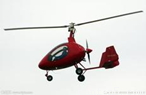

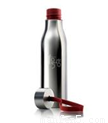
A. B. C. D.
4. The word "pollute" means "______".
A. to tell something to a lot of people B. wanting to know about something
C. a programme on the radio or on TV D. to make air. water, soil, etc dirty
5.These texts are probably from ______.
A. a magazine B. a dictionary
C. a newspaper D. an advertisement
 s in a really fashionable color."
  we know that"fashion"is in .
 girl is drawing a picture.
 le things are expensive
 For most people, the word "fashion" means "clothes". But people ask question, "What clothes are
fashion?" And they use the adjective "fashionable" in the same way: "she was wearing a fashionable
coat." "His shirt was really a fashionable color."
But of course there are fashions in many things, not only in clothes. There are fashions in holidays,
in restaurants, in films and books. There are even fashions in school subjects, jobs and in languages.
Fashions change as time goes. If you look at pictures of people or things from the past, you will feel
that fashions have always changed. An English house of 1750 was different from one of 1650. A
fashionable man in 1780 looked very different from his grandson in 1860. Today fashions change very
quickly. Some of this is natural. We hear about things much more quickly than in the past. Newspapers,
radios, telephones and television send information from one country to another in a few hours.
New fashions mean that people will buy new things, so you see there is money in fashion.
broadcast1/'brɔ:dkɑ:st||ˈbrɔdˌkæst/n[C] a programme on the radio or on television: a radio news broadcast | live broadcast ( = a programme that you see or hear at the same time as the events are happening)
broadcast2 v past tense and past participle, broadcast 1 [ I,T] to send out radio or television programmes: The interview was broadcast live across Europe. 2 [T] to tell something to a lot of people: There was no need to broadcast the fact that he lost his job.
broadcaster /ˈbrɔːdkɑːstə || ˈbrɔːdkæstər/ n [C]
curious/ ˈkjʊəriəs || 'kjur-/ adj 1 wanting to know about something: When I mentioned her name everyone was curious. | [ +about] I’m incurious about this book she's supposed to be writing. |curious to see/hear/know etc: Mandy was curious to hear what Peter had to say himself.—opposite INCURIOUS 2 strange or unusual: a curious noise coming from the cellar | curious that It's very curious that she left without saying goodbye.
curl1 /kɜ:l|| kɚrl/ n 1[C] a small mass of hair
flask / flɑ:sk || flæsk/n [C] I BrE a special type of bottle that you use to keep liquids either hot or cold, for example when travelling 2 a flat bottle usually used to carry alcohol 3 a glass bottle with a narrow top, used in a LABORATORY
flat1/ flæt / adj flatter, flattest
1▶ SURFACE◀ smooth and level, without raised or hollow areas, and not sloping or curving: a flat-bottomed boat |a perfectly flat sandy beach | flat as a
pollute / pə'lu:t/ v [T] 1 to make air, water, soil etc dangerously dirty and not suitable for people to use: beaches polluted by raw sewage | industrial emissions that pollute the air 2 pollute sb’s mind to give someone immoral thoughts and spoil their character: fears that Lawrence's novels would pollute young minds--polluted adj: polluted rivers--polluter n [C]
pollution / pəˈlu:ʃn /n [U] 1 the process of making
86. The pronunciation of the word "broadcast" is ____ or/ˈbrɔdˌkæst /.
A. /'brɔ:dkɑ:st/ B. /'brəud'sɑ:st/ C. /bræd'kɔst/ D. /'bru:dkɑ:st/
87. The word"____ "can be used as an adjective (形容词).
A. pollute B. pollution C . curious D. curiously
88. Which of the following is a flask?


A. B. C. D.
89. The word "pollute" means "______".
A. to tell something to a lot of people B. wanting to know about something
C. a programme on the radio or on TV D. to make air. water, soil, etc dirty
90. These texts are probably from ______.
A. a magazine B. a dictionary
C. a newspaper D. an advertisement
For most people, the word “fashion” means “clothes”. But people may ask the question, “What clothes are in fashion?” And they use the adjective “fashionable” in the same way, “She was wearing a fashionable coat.” “His shirt was really a fashionable color.”
But of course there are fashions in many things, not only in clothes. There are fashions in holidays, in restaurants, in films and books. There are even fashions in school subjects, jobs…and in languages.
Fashions change as time goes. If you look at pictures of people or things from the past, you will see that fashions have always changed. An English house of 1750 was different from one of 1650. A fashionable man in 1790 looked very different from his grandson in 1860.
Today fashions change very quickly. Some of this is natural. We hear about things much more quickly than in the past. Newspapers, radios, telephones and television send information from one country to another in a few hours.
New fashions mean that people will buy new things, so you see there is money in fashion.
1. The word “fashionable” means .
A. clothes B. most of the popular things C. everything D. many things
2. If someone says, “Your dress is very beautiful.” It means your dress is .
A. fashionable B. interesting C. nice D. important
3. Which of the following things is fashionable today? .
A. Having a family dinner on New year’s Day B. Talking online
C. Learning to sing songs on the radio D. Doing morning exercises every day
4. Today fashions change very quickly because .
A. people read newspapers every day
B. radios send information from one country to another
C. New things that people like are often shown on TV
D. people quickly learn what is happening in the world
5. From the passage we know that .
A. there won’t be fashions without money. B. clothes are expensive
C. people like many things D. money comes from fashion
湖北省互联网违法和不良信息举报平台 | 网上有害信息举报专区 | 电信诈骗举报专区 | 涉历史虚无主义有害信息举报专区 | 涉企侵权举报专区
违法和不良信息举报电话:027-86699610 举报邮箱:58377363@163.com