
题目列表(包括答案和解析)
Shenzhou X and three astronauts(宇航员) were sent up from Jiuquan Satellite Launch Center, Gansu province, into a clear blue sky on Tuesday, bringing the nation one step closer to building its own space(太空) station in 2020.
Two men, mission commander(指挥官) Nie Haisheng and Zhang Xiaoguang, and China’s second female astronaut, Wang Yaping, are expected to stay in space for 15 days.
They will teach young people about science and do two space dockings, between Shenzhou X and the unmanned Tiangong-1 space module, a technically difficult procedure that brings two spaceship together in high-speed orbit(轨道).
The trip is our country’s fifth manned space mission, 10 years after the country’s first astronaut, Yang Liwei, went into space in 2003.
1.How long will they stay in space?
A.About a week B.About two weeks C.About a month D.About two months
2.What will they do in space? They will __________.
A.teach young people about science B.take some photos
C.do two space dockings D.Both A and C
3.What’s the meaning of the underlined phrase ‘space dockings’?
A.太空实验 B.太空对接 C.太空垃圾 D.太空站
4.Who is the first astronaut to enter space in China?
A.Nie Haisheng B.Zhang Xiaoguang C.Wang Yaping D.Yang Liwei
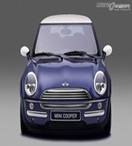
In Britain you’re allowed to drive a car when you’re seventeen. You have to get a special two-year driving license before you can start. When you’re learning, someone with a full license always has to be in the car with you because you aren’t allowed to drive the car on the road alone. You don’t have to go to a driving school --- a friend can teach you. The person with you isn’t allowed to take money for the lesson unless he’s got a teacher’s license.
Before you’re allowed to have a full license, you have to take a driving test. You can take a test in your own car, but it has to be fit for the road. In the test you have to drive round for about half an hour and then answer a few questions. If you don’t pass the test, you’re allowed to take it again a few weeks later if you want to. In 1970 a woman passed her fortieth test after 212 driving lessons! When you’ve passed your test, you don’t have to take it again, and you’re allowed to go on driving as long as you like. Britain’s oldest driver was a man who drove in 1974 at the age of 100.
Before 1904 everyone was allowed to drive, even children. Then from 1904 car drivers had to have a license. But they didn’t have to take a test until 1935. On the early days of car driving, before 1878, cars weren’t allowed to go faster than four miles an hour, and someone had to lead the car with a red flag.
1.A person can’t take money for driving lessons unless he __________.
A. has learnt to drive in a driving school
B. has a full driving license
C. has a full license and a teacher’s license
D. is given a special two-year driving license
2.In the driving test, one _______________________.
A. mustn’t drive his car, even though the car is fit for the road
B. is usually asked to drive on roads for some time
C. has to be examined only in car driving skills
D. must drive around for more than an hour
3.When can I take the driving test again if I don’t pass it?
A. a few years later
B. right after the first test
C. a few weeks later
D. never
4.Which of the following is NOT true?
A. There is no limit (限制)to the age of an old man who drives a car.
B. One can take a driving test again and again until he passes it.
C. There was a speed limit to cars before 1878.
D. A car driver didn’t have to get a limit license until 1935.
5.The best title for the passage is _____________.
A. Driving Licenses in Britain
B. Tests for Britain People
C. Driving Cars
D. Young Men’s Driving Licenses
Every morning, the newspaper chief editor(主编) holds a meeting with the reporters. They discuss the main events(事件) of the day. Reporters are then sent to cover the events.
As soon as the reporters know what to write about, they get down to work. They telephone people and fix a time for a face-to-face interview with them. Sometimes they do telephone interviews. Checking information is very important. They go to the newspaper's own library to look up any information that they need. This is called “doing one's homework”.
At the same time, the picture editor decides which photographs will be used for the next day's paper. All the people who work on a newspaper must be able to work fast. Reporters have to stop working on one story and start working at once on the important new one. They must find out the new information as quickly as possible. Later in the day, everything is put together at the news desk. Reporters return, type their stories into the computer and hand them to the editor.
The chief editor decides which will be the most important story on the front page. Sometimes this will have to be changed if something more important happens late in the day. Other editors read the stories which the reporters have written and make any necessary changes.
Finally, there is no more time left for adding new stories, and the time for printing(印刷) the newspaper has come. This is done on fast-moving printing machines. The newspapers are then delivered(发送) by truck, plane or rail. Speed is important. People want to buy the latest newspaper; nobody wants to buy yesterday's.
1.What is the work in a newspaper office like?
A. Interesting and confusing B. Important and patient.
C. Particular and necessary. D. Fast and busy.
2.According to the passage, the right order for a reporter's work is ____________.
a. writing stories b. doing interviews c. joining in a discussion
d. doing homework e. handing stories to the editor
A. c-b-a-d-e B. c-d-e-a-b C. c-b-d-a-e D. c-a-d-b-e
3.The front page contents(内容) are decided by ___________.
A. the importance of the events
B. how well the stories are written
C. the knowledge of the chief editor
D. whether they are the latest
4.Word editors' work is to ____________.
A. help the chief editor with the morning discussion
B. decide when and how the papers can be printed
C. read the stories and make necessary changes
D. get together information from reporters and photographers
5.The best title for this passage is “____________”。
A. How a newspaper is produced B. How newspapers are delivered
C. What kind of papers readers like D. Whose work is more important
Every morning, the newspaper chief editor(主编) holds a meeting with the reporters. They discuss the main events(事件) of the day. Reporters are then sent to cover the events.
As soon as the reporters know what to write about, they get down to work. They telephone people and fix a time for a face-to-face interview with them. Sometimes they do telephone interviews. Checking information is very important. They go to the newspaper's own library to look up any information that they need. This is called “doing one's homework”.
At the same time, the picture editor decides which photographs will be used for the next day's paper. All the people who work on a newspaper must be able to work fast. Reporters have to stop working on one story and start working at once on the important new one. They must find out the new information as quickly as possible. Later in the day, everything is put together at the news desk. Reporters return, type their stories into the computer and hand them to the editor.
The chief editor decides which will be the most important story on the front page. Sometimes this will have to be changed if something more important happens late in the day. Other editors read the stories which the reporters have written and make any necessary changes.
Finally, there is no more time left for adding new stories, and the time for printing(印刷) the newspaper has come. This is done on fast-moving printing machines. The newspapers are then delivered(发送) by truck, plane or rail. Speed is important. People want to buy the latest newspaper; nobody wants to buy yesterday's.
【小题1】What is the work in a newspaper office like?
| A.Interesting and confusing | B.Important and patient. |
| C.Particular and necessary. | D.Fast and busy. |
| A.c-b-a-d-e | B.c-d-e-a-b | C.c-b-d-a-e | D.c-a-d-b-e |
| A.the importance of the events |
| B.how well the stories are written |
| C.the knowledge of the chief editor |
| D.whether they are the latest |
| A.help the chief editor with the morning discussion |
| B.decide when and how the papers can be printed |
| C.read the stories and make necessary changes |
| D.get together information from reporters and photographers |
| A.How a newspaper is produced | B.How newspapers are delivered |
| C.What kind of papers readers like | D.Whose work is more important |
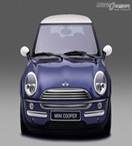
In Britain you’re allowed to drive a car when you’re seventeen. You have to get a special two-year driving license before you can start. When you’re learning, someone with a full license always has to be in the car with you because you aren’t allowed to drive the car on the road alone. You don’t have to go to a driving school --- a friend can teach you. The person with you isn’t allowed to take money for the lesson unless he’s got a teacher’s license.
Before you’re allowed to have a full license, you have to take a driving test. You can take a test in your own car, but it has to be fit for the road. In the test you have to drive round for about half an hour and then answer a few questions. If you don’t pass the test, you’re allowed to take it again a few weeks later if you want to. In 1970 a woman passed her fortieth test after 212 driving lessons! When you’ve passed your test, you don’t have to take it again, and you’re allowed to go on driving as long as you like. Britain’s oldest driver was a man who drove in 1974 at the age of 100.
Before 1904 everyone was allowed to drive, even children. Then from 1904 car drivers had to have a license. But they didn’t have to take a test until 1935. On the early days of car driving, before 1878, cars weren’t allowed to go faster than four miles an hour, and someone had to lead the car with a red flag.
【小题1】A person can’t take money for driving lessons unless he __________.
| A.has learnt to drive in a driving school |
| B.has a full driving license |
| C.has a full license and a teacher’s license |
| D.is given a special two-year driving license |
| A.mustn’t drive his car, even though the car is fit for the road |
| B.is usually asked to drive on roads for some time |
| C.has to be examined only in car driving skills |
| D.must drive around for more than an hour |
| A.a few years later |
| B.right after the first test |
| C.a few weeks later |
| D.never |
| A.There is no limit (限制)to the age of an old man who drives a car. |
| B.One can take a driving test again and again until he passes it. |
| C.There was a speed limit to cars before 1878. |
| D.A car driver didn’t have to get a limit license until 1935. |
| A.Driving Licenses in Britain |
| B.Tests for Britain People |
| C.Driving Cars |
| D.Young Men’s Driving Licenses |
湖北省互联网违法和不良信息举报平台 | 网上有害信息举报专区 | 电信诈骗举报专区 | 涉历史虚无主义有害信息举报专区 | 涉企侵权举报专区
违法和不良信息举报电话:027-86699610 举报邮箱:58377363@163.com