A. as B. as C. like D. like 查看更多


题目列表(包括答案和解析)

As we know, there are differences between western culture and Chinese culture. We can see  differences  when we pay attention to the words that are used. Let’s look at the words about describing animals. Most phrases in Chinese about the dog. For example, “ a  homeless dog”, “a running dog”,  and “ a dog catching a mouse”, have negative meanings.
But in western countries, dogs are considered honest and good friends of humans. In English, people use dogs to describe positive behavior. For example, ”You are  lucky dog” means you are a  lucky person.   And  “Every dog has its day” means__________. To describe a person’s serious illness, they say “sick as a dog”. The  word  “dog-tired”  means  “ very tired”. The  words  about animals are used in positive or negative ways in different cultures. We can learn about many differences in cultures by comparing how certain words are used

  1. 1.

    The correct Chinese meaning about “ a homeless dog” is “_________”

    1. A.
      猎犬
    2. B.
      看门狗
    3. C.
      丧家犬
    4. D.
      家养犬
  2. 2.

    In English ,people use dogs to describe positive behavior because____________

    1. A.
      they have different culture
    2. B.
      they think dogs are honest and good friends of humans
    3. C.
      they like dogs very much
    4. D.
      dogs are very active
  3. 3.

    Which sentence is right to fill in the blank in the passage?

    1. A.
      every dog will die one day
    2. B.
      each person has bad luck at times
    3. C.
      each person has good luck at times
    4. D.
      every dog has good luck at times
  4. 4.

    Which of the following is NOT true according to the passage?

    1. A.
      In English people use the dog to describe positive behavior
    2. B.
      Most phrases in Chinese about the dog have negative meaning
    3. C.
      We should pay attention to the words about animals that are used
    4. D.
      “Sick as a dog” is used to describe a healthy person in western countries
  5. 5.

    What ‘s the best  title of the passage?

    1. A.
      Dogs
    2. B.
      Western Culture
    3. C.
      Chinese Culture
    4. D.
      Different Countries Have Different Culture

查看答案和解析>>


As we know, there are differences between western culture and Chinese culture. We can see differences when we pay attention to the way words are used. Let’s look at the words about animals and plants. Most expressions in Chinese about the dog, for example, “a homeless dog”, “a mad dog”, “a running dog” and “a dog catching a mouse”, have negative(消极的)meanings. But in western countries, dogs are thought to be honest and good friends of people. In English, people use the dog to describe positive(积极的)actions. For example, “you are a lucky dog” means you are a lucky person. And “every dog has its day” means each person has good 1uck one day. To describe a person’s serious illness, they say “sick as a dog”. The word “dog-tired” means very tired. However, Chinese love cats very much. But in western culture, “cat” is often used to describe a woman who is cruel(冷酷的). There are many other examples of how “cat” is used differently as well.
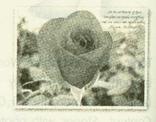
The rose(玫瑰)is thought of as a symbol of love in both China and some western countries. People think the rose stands for(代表)love, peace, courage and friendship. And the rose is the national flower of England, America and many other countries.
The words about plants and animals are used in positive or negative ways in different cultures. We can learn about many differences in cultures by comparing(比较)how some words are used.
【小题1】The word “dog” in Chinese usually_________.
A.shows peaceB.stands for friendship
C.has a negative meaningD.has a positive meaning
【小题2】“Every dog has its day” means “_________”.
A.each person lives his own way of life
B.if one works hard, he is sure to succeed
C.everybody in the world is lucky
D.everybody has a time in 1ife to be lucky
【小题3】Western people usually use “cat” to refer to(指代) “_________.”
A.a tired personB.a brave man
C.a homeless personD.an unkind woman
【小题4】Which of the following is TRUE according to the passage?
A.Words show differences in different cultures.
B.Chinese people like dogs better than cats.
C.Western people think of cats to be good friends.
D.Rose is the national flower of all western countries.
【小题5】What’s the best title for the passage?
A.Negative or Positive.
B.Different Countries Have Different Cultures.
C.Rose Means the Same in Chinese and English.
D.What Dog and Cat Mean in English.

查看答案和解析>>

As we know, Chongqing has changed a lot. Most of the people feel much safer now. More and more trees are being planted in the city. And every day you can see many old people play sports everywhere. The change makes the people in the city live a happy life. The small survey below is from the people who live in Chongqing. One hundred persons were chosen to answer the questions last week.
What they want
Health
Safety
Food
52%
33%
15%
Where they like to live
In a quieter place
In a busier place
In a greener place
15%
5%
80%
What they think of working in the city
Bad
Good
No idea
8%
80%
12%
Whether they plan to change their living places
Yes
No
Difficult to say
39%
41%
20%
 
【小题1】From the survey, _______ of the people in Chongqing care about health.
A.41%B.80%C.39%D.52%
【小题2】 Most people think working in Chongqing is _______.
A.badB.goodC.hardD.sad
【小题3】 From the survey, we know most people want to live ________.
A.in a busier placeB.in a quieter place
C.in a greener placeD.on the mountain
【小题4】 According to the passage and the survey, we know that ________.
A.most people plan to change their living places
B.in Chongqing all the people have a lot of food
C.the people in Chongqing don’t like planting trees
D.the change in Chongqing makes people enjoy living there

查看答案和解析>>


A young girl called Ida in Sweden decided to travel to a place she hadn't seen for 22 years. She had a happy life until some kids asked, "Why don't you look like your mom?" Ida was sent to her adopted(收养) family in Sweden right after she was born.She really didn't know anything about her birthplace, Korea, except for some information she recently heard about her birthparents.
During her schooldays, she was often questioned about her looks. Ida considered herself a normal Swedish person. She tried to be part of the group in her school, but she found it hard. She was still seen as an outsider.
As she grew older, she accepted(接受)who she  was. Still, she
wanted to find the missing piece of the puzzle (困惑). After finding out the place of her birthparents, Ida went to Korea in 2008. When she first arrived, she was surprised to see so many people who looked like her. However, apart from her looks, not much could be shared (分享) with others. She knew little about the culture, food, especially the language. Being in Korea wasn't always easy for her.
Perhaps Ida can never truly fit in either culture, but it's worth visiting her birthplace because she finally realized how special and different she is. She has two loving families, and most of all a better understanding of who she is. This helps her to have a positive view of her life.
【小题1】 Where was Ida born?
A.In Japan.B.In Sweden.C.In England.D.In Korea.
【小题2】Why was she seen as an outsider in Sweden?
A.Because of the culture.B.Because of her looks.
C.Because of the food.D.Because of the language.
【小题3】What does the phrase "apart from" in Paragraph 3 mean?
A.exceptB.as forC.as well asD.besides
【小题4】What can we learn from the passage?
A.Ida hadn't seen her birthparents for at least 22 years.
B.Ida found it easy for her to get used to living in Korea.
C.Ida still couldn't accept who she was after she went back to Sweden.
D.Ida realized she can't live a happy life either in Sweden or in Korea.

查看答案和解析>>


A little girl thought she was not as beautiful _31_other girls,and nobody liked her. So she was always 32__  and didn’t like to talk to others. 33 _ ,one day,her mother gave her a beatiful hair clip. When she wore it,she looked 34__ than before. She decided 35  it to school.
On her way to school, she found that everyone she saw smiled at her. Most of them said “Hello” to her, but this 36___  happened before. She thought that beautiful hair clip brought them all. She was so happy about all of the great things. Although she didn't 37 her classmates about her beautiful hair clip, they want to know what happened to her.
 38  she went back home, her mother asked her, “Did you know you 39  your hair clip? I found it at the door this morning.”
She understood that she didn’t wear the hair to school at all.
It was not important what we wear or how we look. The most important thing is  40  we think of ourselves.
【小题1】
A.than B.likeC.asD.from
【小题2】
A.happyB.excited C.sad D.outgoing
【小题3】
A.ButB.HoweverC.soD.because
【小题4】
A.much beautifulB.much more beautiful
C.uglierD.more ugly
【小题5】
A.to wearB.wearingC.wearD.wore
【小题6】
A.alwaysB.often C.sometimes D.never
【小题7】
A.sayB.talk C.speakD.tell
【小题8】
A.ThenB.When C.BeforeD.Until
【小题9】
A.wore B.broughtC.lost D.took
【小题10】
A.whyB.how C.that D.what

查看答案和解析>>


同步练习册答案