
题目列表(包括答案和解析)
When I was a child I never said, "When I grow up, I want to be a CEO," but here I am. When I look back on my career, I realize the road to becoming a CEO isn't a straight, clear path. In fact, no two paths are the same. But whether you want to be a boss one day or not, there's a lot to learn from how leaders rise to the top of successful companies.
As this series of stories shows, the paths to becoming a CEO may be different, but the people in that position(位置) share the qualities of commitment(义务), work ethic(道德) and a strong desire for building something new. And every CEO take risks along the way—putting your life savings on the line to start a software company or leaving a big business to be one of the first employees at a startup.
I grew up in Minnesota, and learned how to be an entrepreneur(企业家)from my father, who has run a small business for almost 30 years. I went to Georgetown University and tried a lot of business activities in college with success. And I always had a dream job pattern(模式): to walk to work, work for myself and build something for consumers(顾客).
I'm only 29, so it's been a quick ride to CEO. Out of college, I worked for AOL as a product manager, then moved to Revolution Health and ran the consumer product team. In mid-2007 I left Revolution Health and started LivingSocial with several other workmates, where I became a CEO.
Career advice: Don't figure out where you want to work, or even what industry you'd like to work at. Figure out what makes you do so. What gives you a really big rush? Answer why you like things, not what you like doing. . . and then apply it to your work life. Also, just because you're graduating, don't stop learning. Read more books than you did in college. If you do, and they're not, you're really well-positioned to succeed in whatever you do.
【小题1】What can we know from the first paragraph?
| A.The writer hasn't achieved his childhood ambition. |
| B.The writer thinks there is some easy way to become a CEO. |
| C.The writer had an ambition of becoming a CEO in his childhood. |
| D.The writer believes success stories of CEOs can be beneficial(有益的) to everybody. |
| A.try not to take risks | B.stay in the same business |
| C.have a strong sense of creativity | D.save every possible penny |
| A.He started LivingSocial when he was still a student of Georgetown University. |
| B.He used to run the consumer product team for AOL. |
| C.His business activities at college ended up in more failure than success. |
| D.His father had far-reaching influence on him. |
| A.断定 | B.弄清 | C.理解 | D.领会 |
| A.Well begun is half done. |
| B.Everything comes to him who waits. |
| C.Time and tide wait for no man. |
| D.One is never too old to learn. |
When I was a child I never said, "When I grow up, I want to be a CEO," but here I am. When I look back on my career, I realize the road to becoming a CEO isn't a straight, clear path. In fact, no two paths are the same. But whether you want to be a boss one day or not, there's a lot to learn from how leaders rise to the top of successful companies.
As this series of stories shows, the paths to becoming a CEO may be different, but the people in that position(位置) share the qualities of commitment(义务), work ethic(道德) and a strong desire for building something new. And every CEO take risks along the way—putting your life savings on the line to start a software company or leaving a big business to be one of the first employees at a startup.
I grew up in Minnesota, and learned how to be an entrepreneur(企业家)from my father, who has run a small business for almost 30 years. I went to Georgetown University and tried a lot of business activities in college with success. And I always had a dream job pattern(模式): to walk to work, work for myself and build something for consumers(顾客).
I'm only 29, so it's been a quick ride to CEO. Out of college, I worked for AOL as a product manager, then moved to Revolution Health and ran the consumer product team. In mid-2007 I left Revolution Health and started LivingSocial with several other workmates, where I became a CEO.
Career advice: Don't figure out where you want to work, or even what industry you'd like to work at. Figure out what makes you do so. What gives you a really big rush? Answer why you like things, not what you like doing. . . and then apply it to your work life. Also, just because you're graduating, don't stop learning. Read more books than you did in college. If you do, and they're not, you're really well-positioned to succeed in whatever you do.
1.What can we know from the first paragraph?
A.The writer hasn't achieved his childhood ambition.
B.The writer thinks there is some easy way to become a CEO.
C.The writer had an ambition of becoming a CEO in his childhood.
D.The writer believes success stories of CEOs can be beneficial(有益的) to everybody.
2.According to the writer, successful CEOs should _____.
A.try not to take risks B.stay in the same business
C.have a strong sense of creativity D.save every possible penny
3.What can we know about the writer from the passage?
A.He started LivingSocial when he was still a student of Georgetown University.
B.He used to run the consumer product team for AOL.
C.His business activities at college ended up in more failure than success.
D.His father had far-reaching influence on him.
4.What does the underlined phrase “figure out” mean? ______.
A.断定 B.弄清 C.理解 D.领会
5.Which of the following proverbs may the writer agree with according to the last paragraph?
A.Well begun is half done.
B.Everything comes to him who waits.
C.Time and tide wait for no man.
D.One is never too old to learn.
| A.The writer hasn't achieved his childhood ambition. |
| B.The writer thinks there is some easy way to become a CEO. |
| C.The writer had an ambition of becoming a CEO in his childhood. |
| D.The writer believes success stories of CEOs can be beneficial(有益的) to everybody. |
| A.try not to take risks | B.stay in the same business |
| C.have a strong sense of creativity | D.save every possible penny |
| A.He started LivingSocial when he was still a student of Georgetown University. |
| B.He used to run the consumer product team for AOL. |
| C.His business activities at college ended up in more failure than success. |
| D.His father had far-reaching influence on him. |
| A.断定 | B.弄清 | C.理解 | D.领会 |
| A.Well begun is half done. |
| B.Everything comes to him who waits. |
| C.Time and tide wait for no man. |
| D.One is never too old to learn. |
| A.To play with Lion. | B.To push a rock |
| C.To run after a mouse | D.To look for something to eat. |
| A.supporting | B.sleeping | C.running | D.sitting |
| A.Because Lion was rushing to him. |
| B.Because he was caught under a rock. |
| C.Because he got an idea to get away from Lion. |
| D.Because he saw a large rock moving toward him. |
| A.Trust(信任) your friend, trust yourself |
| B.Work hard, and you’ll succeed. |
| C.Help others when they are in trouble. |
| D.Try to find a quick way out when in trouble. |
| A.selfish and stubborn | B.silly and unkind | C.clever and creative | D.impolite and dishonest |
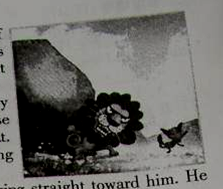
| A.To play with Lion. | B.To push upon a rock |
| C.To run after a mouse | D.To look for something to eat. |
| A.supporting | B.sleeping | C.running | D.sitting |
| A.Because Lion was rushing to him. |
| B.Because he was caught under a rock. |
| C.Because he got an idea to get away from Lion. |
| D.Because he saw a large rock moving toward him. |
| A.Trust your friend, trust yourself. |
| B.Work hard, and you’ll succeed. |
| C.Help others when they are in trouble. |
| D.Try to find a quick way out when in trouble. |
湖北省互联网违法和不良信息举报平台 | 网上有害信息举报专区 | 电信诈骗举报专区 | 涉历史虚无主义有害信息举报专区 | 涉企侵权举报专区
违法和不良信息举报电话:027-86699610 举报邮箱:58377363@163.com