
题目列表(包括答案和解析)
Young people and older people don’t always agree. They sometimes have different ideas about living, working and playing. But in one special programme in New York State, adults and teenagers live together in a friendly way.
Each summer 200 teenagers and 50 adults live together for eight weeks as members of a special work group. Everyone works several hours each day. They do so not just to keep busy but to find meaning and enjoyment in work. Some teenagers work in the woods or on the farms near the village. Some learn to make things like tables and chairs and build houses. The adults teach them these skills.
There are several free hours each day. Weekends are free, too. During the free hours some of the teenagers learn photo taking or painting. Others sit around and talk or sing. Each teenager chooses his own way to spend his free time.
When people live together, rules are necessary. In this programme the teenagers and the adults make the rules together. If someone breaks a rule, the problem goes before the whole group. They talk about it and ask, “Why did it happen? What should we do about it?”
One of the teenagers has this to say about his experience, “You stop thinking only about yourself; you learn to think about the group.”
【小题1】In one special programme in New York State, young and older people _______ .
| A.don’t work well together. |
| B.are friendly to one another. |
| C.teach one another new ways of building houses. |
| D.spend eight weeks together, working as farmers.. |
| A.lead a busy life. |
| B.learn new skills of farming; |
| C.get used to the life on the farms |
| D.find value and pleasure in work |
| A.the teenagers don’t have to obey the rules |
| B.the teenagers have to obey the rules the adults make |
| C.the members have no free time on weekends |
| D.the members are not allowed to break the rules they make together |
| A.unpleasant | B.tiring | C.helpful | D.boring |
| A.The rules of living together |
| B.Life in New York State |
| C.Teenagers in the special group |
| D.Free hours in the special work group |
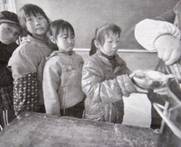
Almost every Chinese person can recite the two lines of the famous poem, “Every grain on the plate comes from hard work(谁知盘中餐,粒粒皆辛苦).” But sadly, many of us don’t actually get the real meaning of these lines: Don’t waste food.
A CCTV program, News One Plus One, reported that the food Chinese people throw away every year is enough to feed 200 million people for a year.
Do we have too much food? Of course not. According to the UN World Food Program, there were 925 million hungry people around the world in 2010, especially in developing countries. Six million children die of hunger every year.
Chinese people are well known for being hospitable(好客的) and generous. Many even feel that they lose face if their guests have eaten all the food on the table.
Luckily, a number of people have realized the importance of saving food. Last November, Li Hong, a waitress in a restaurant in Nanjing, got fired because she took some leftover food home for her son. Many people stood by her side and criticized(批评) the waste of food.
What should we do in our daily lives to waste less food? Here are some tips:
1. Do not order too much in a restaurant. Only order as much as you want to eat. If you cannot eat all the food you ordered, take the rest of it home.
2. Don’t be too picky(挑剔的) about food. Some food may not taste great, but your body needs it.
3. Keep an eye on what food you have at home. Don’t buy too much, especially for vegetables and fruit.
1.How many people were hungry in the world in 2010 according to the UN World Food Program?
A. 200 million. B. Six million. C. 925 million. D. 625 million.
2.What does the writer want to show us through Li Hong’s story?
A. Many Chinese restaurants waste a large amount of food.
B. Many Chinese people are kind-hearted and ready to help the weak.
C. Chinese people feel that they lose face if their guests eat all the food.
D. Many Chinese people don’t agree with the behavior of wasting food.
3.The underlined word “leftover” means in Chinese.
A. 过期的 B. 剩余的 C. 腐烂的 D.难吃的
4.According to the passage, we shouldn’t waste food because .
A. food comes from very hard work
B. six million children die of hunger every day
C. there is enough food to feed all the people
D. Chinese are hospitable and generous
5.Which of the following is a good way to save food?
A. Ordering more than you need at a restaurant.
B. Taking home restaurant leftovers.
C. Not knowing what you already have at home when shopping.
D. Not eating the food you don’t like even if it’s healthy.
Young people and older people do not always agree. They sometimes have different ideas about living, working and playing. But in one special program in New York State, adults and teenagers live together in a friendly way.
Each summer 200 teenagers and 50 adults live together for eight weeks as members of a special work group. Everyone works several hours each day. They do so not just to keep busy but to find meaning and fun in work. Some teenagers work in the forests or on the farms near the village. Some learn to make things like tables and chairs and to build houses. The adults teach them these skills.
There are several free hours each day. Weekends are free, too .During the free hours some of the teenagers learn photo-taking or drawing. Others sit around and talk or sing. Each teenager chooses his own way to pass his free time.
When people live together, they should have rules. In this program the teenagers and the adults make the rules together. If someone breaks a rule, the problem goes before the whole group. They talk about it and ask, “Why did it happen? What should we do about it?”
One of the teenagers has said something about it: “You have to stop thinking only about yourself. You learn how to think about the group.”
【小题1】In one special program in New York State, young and older people_________.
| A.don’t work well together |
| B.live together like friends |
| C.teach one another new ways of building houses |
| D.spend eight weeks together, working as farmers |
| A.lead a busy life |
| B.learn new skills of farming |
| C.get used to the life on the farms |
| D.find useful things and pleasure in work |
| A.the teenagers don’t have to obey the rules |
| B.the members have to obey the rules the adults make |
| C.the members have no free time but on weekends |
| D.the members should not break the rules they make together |
| A.unpleasant |
| B.tiring |
| C.helpful |
| D.boring |
| A.The Rules of Living Together |
| B.Life in New York State |
| C.Teenagers and Adults Together |
| D.Free Hours in the Special Work Group |
| A.don’t work well together. |
| B.are friendly to one another. |
| C.teach one another new ways of building houses. |
| D.spend eight weeks together, working as farmers.. |
| A.lead a busy life. |
| B.learn new skills of farming; |
| C.get used to the life on the farms |
| D.find value and pleasure in work |
| A.the teenagers don’t have to obey the rules |
| B.the teenagers have to obey the rules the adults make |
| C.the members have no free time on weekends |
| D.the members are not allowed to break the rules they make together |
| A.unpleasant | B.tiring | C.helpful | D.boring |
| A.The rules of living together |
| B.Life in New York State |
| C.Teenagers in the special group |
| D.Free hours in the special work group |
Almost every Chinese person can recite(背诵) the two lines of the famous poem, “Every grain on the plate comes from hard work ”. But sadly, many of us don’t actually get the real meaning of these lines: Don’t waste food.
A CCTV program reported that the food Chinese people throw away every year is enough to feed 200 million people for a year. Do we have too much food? Absolutely not. According to the UN World Food Program, there were 925 million hungry people around the world in 2011, especially in developing countries. Six million children die of hunger every year.
Chinese people are well-known for being friendly and generous. Many even feel that they lose face if their guests have eaten all the food on the table. Luckily, a number of people have realized the importance of saving food. What should we do in our daily lives to waste less food?
1. Don’t order too much in a restaurant. Only order as much as you want to eat. If you cannot eat all the food you ordered, take the rest of it home.
2. Don’t leave any food in your bowls while having meals.
3. Keep an eye on what food you have at home. Don’t buy too much, especially for vegetables and fruit.
【小题1】What’s the real meaning of the underlined sentence?
| A.春种一粒粟,秋收万颗籽。 | B.谁知盘中餐,粒粒皆辛苦。 |
| C.吏禄三百石,岁晏有余粮。 | D.足蒸暑土气,背灼炎天光。 |
| A.6 million. | B.925 million. | C.200 million. | D.725 million. |
| A.Order more food in a restaurant. |
| B.Every time you eat, leave some food in your bowls. |
| C.Take all the food you ordered home. |
| D.Don’t store too much food like vegetables and fruit. |
| A.A number of people have realized the importance of saving food. |
| B.The food Chinese people throw away every year is enough to feed 200 million people for a year. |
| C.200 million children die of hunger every year. |
| D.Many Chinese feel that they lose face if guests have eaten all the food on the table. |
| A.Don’t waste food. |
| B.Chinese people are friendly and generous. |
| C.We can’t die of hunger. |
| D.Every grain is grown by farmers. |
湖北省互联网违法和不良信息举报平台 | 网上有害信息举报专区 | 电信诈骗举报专区 | 涉历史虚无主义有害信息举报专区 | 涉企侵权举报专区
违法和不良信息举报电话:027-86699610 举报邮箱:58377363@163.com