
题目列表(包括答案和解析)
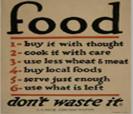
| A.do voluntary work | B.work part time in restaurants |
| C.cut down on food waste | D.wash your plates after dinner |
| A.wasting food isn’t a serious problem in China at present |
| B.Chinese people waste the most food in the world |
| C.Chinese people want to show off that they are rich |
| D.many Chinese people are afraid of losing face at the table. |
| A.The owner would have dinner with those who had eaten up their food. |
| B.It offered a free meal to the guests who had finished all their food ten times. |
| C.It gave stickers to the guests who ordered small dishes. |
| D.It encouraged customers to take leftovers home. |
| A.In a newspaper. | B.In a traffic report. |
| C.On a health website. | D.In a story book. |
During my childhood in the 1960s, my parents were always busy with work and meetings. They left early in the morning and came back late in the evening. My sisters, my brother and I were left alone with Grandma. We saw our parents only on Sundays and during the few holidays. The only long period (一段)of time during which the whole family could be together once a year was the Spring Festival. We missed our parents badly, but didn’t say so because we had been told that hard work was everyone’s duty and that we could not have our own small family without a big family. Later I was a hard working student and, during summer or winter holidays, often stayed alone at university to have more time to study. I was always encouraged by my parents, for whom the holiday was less important than “work” and “study”. Holidays were a waste of time and I felt as if I had done something wrong if I took a holiday or did nothing during a holiday.
I spent the most difficult period of my life abroad. But when I joined this company, my boss didn’t seem to think it right for me to work like that. When I called him at home after office hours for business purposes (目的), he politely told me that he preferred talking about work with me in the office.
When the holiday season came near, he asked me to plan my leave beforehand (提前). He talked with me about his holiday and also asked about mine. For him, leave was a right. Giving up a holiday for the company is encouraged in China, but is foolish here. I began to think about holidays.
Today my parents are retired (退休)and stay home with a lot of time for their children. But we are all grown- up and live far away. We miss each other, but we cannot afford to see each other very much and they often feel sorry for the fact that they were too busy to be able to take care of us when we were young.
Nowadays, Chinese take long weekends and have paid holidays. But do they use their holidays to enjoy family life? I hope so because my experience in China and Europe has helped me understand that work is not my whole life and that a family is also very important. I do not want to feel sorry in the future as my parents do and I certainly spend as much time with my son as possible. There is nothing wrong with either working hard or taking holidays, but we shouldn’t have one instead of the other. It is important to keep a balance (平衡)between work and play.
1. What do the underlined words “paid leave” mean?
A. You have to pay when you take a holiday.
B. Someone will pay for your holiday.
C. You are still paid when you have your holiday.
D. You can’t leave until you pay for the holiday.
2. What is the main idea of this passage?
A. Working is the only part of the life.
B. Traveling is the best way to spend your holiday.
C. Enjoying holidays is as important as working
D. Sharing happiness with your family is more important
3. The writer talks about her own experience because she hopes that the Chinese will _______. A. plan their holiday beforehand B. get used to long holidays and enjoy themselves C. give up a holiday for their work D. bring business home after work hours
湖北省互联网违法和不良信息举报平台 | 网上有害信息举报专区 | 电信诈骗举报专区 | 涉历史虚无主义有害信息举报专区 | 涉企侵权举报专区
违法和不良信息举报电话:027-86699610 举报邮箱:58377363@163.com