2. recycle-treat so that further use is possible Step Ⅲ 1b This activity provides guided oral practice using the target language. Read the instructions to the class. You will compare the answers you wrote for Activity la. Look at the example in the speech bubbles. Invite a pair of students to read it to the class. SA: Recycling paper is really easy. SB: I agree. But it’s hard to stop riding in cars. Look back at the list of items in Activity 1a again. First one student makes a statement. Then the other student agrees or disagrees with it. You can look back at Activity 4 in Section A to get ideas of words to use when agreeing and disagreeing. Have students work together, move around the classroom, checking the work and offering help as needed. Ask a pair of students to say their answers as an example. SA: Turning off the lights when you leave a room is really easy. SB: I agree with you. SA: Not using paper towels is really hard. SB: I disagree with you. I believe that we can use handkerchieves. Step Ⅳ 2a This activity provides listening practice with the target language and new vocabulary words. Go through the instructions with the class. Now you will hear Jack and Julia talk about what they are doing to help save the planet. Look at the chart. Invite a student to read the list of items that Julia and Jack talk about. turning off the lights turning off the shower stopping using paper napkins taking your own bags when shopping not riding in cars riding a bike recycling paper Play the recording for this activity for the students. The first time students only listen carefully. Play the recording a second time. Say, Listen to the recording again and check the things Julia and Jack talk about. If necessary, play the recording again. Check the answers with the class. Answers They talk about: turning off the lights, turning off the shower. taking your own bags when shopping. not riding in cars, riding a bike. Tapescript Boy: Hey, Julia. Don’t forget to turn off the lights. It saves electricity. Girl: Oh, I know. I usually do that. I was just in a hurry. How you’re so interested in the environment, Jack? Boy: I always have been. Lots of people think there’s nothing they can do, but I just read this book about it, and there are lots of things the average person can do. Girl: Like what? Boy: Well, you should turn off the shower when you’re washing your hair. Girl: Oh, I’d never do that] Boy: You wouldn’t? Girl: No, I have very short hair. I’m only in the shower for a few minutes. Boy: Well, every minute helps. Girl: What else does it say? Boy: It says you should take your own bags when you go food shopping. Girl: Oh, that’s not difficult. I can do that. What else? Boy: Hmmm. Here’s a good one. It says people should stop riding in cars and start riding hikes. girl: Oh, I’ll never do that! Can you see me riding 45 minutes to and from school every day? Boy: Well, I think the environment is really important. Besides, I like riding my bike. Girl: Yes, and you also live close to school! Step Ⅴ 2b This activity gives students practice in understanding the target language in spoken conversation. You will hear the same recording again. Listen and check the things that Julia is doing now, the things She will do in the future, and the things she would never do. Point to the three column headings in the chart and let students read the headings again on their own. Now listen to the recording carefully and check the things. Play the recording again if necessary. Students check their answers. Correct the answers. Answers Things Julia is doing now: turning off the lights. Things Julia will do in the future: taking bags when shopping. Things Julia will never do: turning off the shower not riding in cars or riding a bike. Step Ⅵ 2c This activity provides guided oral practice using the target language. Look at the sample conversation. Invite a pair of students to read it aloud to the class. A: We really shouldn’t use paper napkins, you know. B: I know. I stopped using them last year. Go through the instructions with the class. Say, Have a conversation about the items in the chart. Talk about which of these things you do now, which you will do in the future, and which you would never do. Get students to work in pairs. While they are working, walk around the classroom checking the progress of the pairs and offering help as needed. Invite one or two pairs to say their conversations to the class. SA: We should turn off the lights when me leave a room. SB: I always do that. SA: We should take our own bags when shopping. SB: That’s easy. I will do that in future. SA: We really shouldn’t ride in cars. SB: I’ll never do that! Our school is far away from my home. It takes me one hour to ride to school every day. Step Ⅶ Summary In this class, we’ve learned some key vocabulary, such as recycle, shower, paper towels, napkins, turn off. We’ve also learned the target language We really shouldn’t use paper napkins, you know. I know. I stopped using them last year. Step Ⅷ Homework Talk about things that you are doing now, you will do in the future and you would never do using the target language and write down the conversations. Step Ⅸ Blackboard Design Unit 15 We’re trying to save the manatees! Section B The Fourth Period Target language: A: We really shouldn’t use paper napkins, you know. B: I know. I stopped using them last year. Unit 15 We’re trying to save the manatees! The Fifth Period 查看更多


题目列表(包括答案和解析)

单词释义

r________ to treat so that it can be used again

查看答案和解析>>


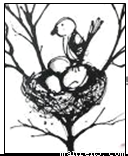
Oriole’s Nest
Picky, Picky
Scientists have no idea exactly why birds choose certain objects to build their nests. But scientists know that the main reason birds build nests is to keep their babies safe, warm and healthy.
Baby birds grow faster and are healthier when they are warm. They also learn to fly and leave the nests sooner than birds without warm homes.
What A Yarn (纱)
Yarn is big on an oriole’s shopping list during nest building. Scientists are still trying to work out why so many birds choose white yarn over other colors for nest building.
Scientists think that the white objects remind birds of cotton fluff (绒毛) they find in the wild.
Do It Naturally  
Even though birds can help us recycle some of our junk by using it to build nests, they also need to use lots of natural things. Long grass, dried sticks, spider’s silk and mud are some of the natural ingredients that are good for nests, too.
You can make a collection box of things to leave for birds so they can help themselves. Hang a small plastic box with holes on a tree branch. Fill the box freely with nest building goodies. Hang the box on a tree and watch birds climb on board to pick through the junk to find their treasures.
Warning: Don’t let the birds turn into a tasty treat. Keep your bird station away from places where cats hang out.
For The Birds!
Stop! Don’t throw all that garbage out! Give some to the birds. Look and see how your old junk can help beautify and warm a bird’s new home.
【小题1】The baby birds with warm homes are able to _____.
A.choose right objectsB.leave the nests sooner
C.build good nestsD.learn to fly higher
【小题2】 What can people make for birds to build nests?
A.Holes on the tree.B.Food out of the rubbish.
C.A warning board.D.A collection box of things.
【小题3】What can we learn from the passage?
A.Birds build nests to store things.
B.Birds regard white objects as cotton.
C. Birds and humans can help each other.
D.Birds and cats fight against each other.

查看答案和解析>>


Orioles Nest


Picky, Picky

Scientists have no idea exactly why birds choose certain objects to build their nests. But scientists know that the main reason birds build nests is to keep their babies safe, warm and healthy.

    Baby birds grow faster and are healthier when they are warm. They also learn to fly and leave the nests sooner than birds without warm homes.

What A Yarn (纱)

Yarn is big on an oriole’s shopping list during nest building. Scientists are still trying to work out why so many birds choose white yarn over other colors for nest building.

Scientists think that the white objects remind birds of cotton fluff (绒毛) they find in the wild.

Do It Naturally  

Even though birds can help us recycle some of our junk by using it to build nests, they also need to use lots of natural things. Long grass, dried sticks, spider’s silk and mud are some of the natural ingredients that are good for nests, too.

You can make a collection box of things to leave for birds so they can help themselves. Hang a small plastic box with holes on a tree branch. Fill the box freely with nest building goodies. Hang the box on a tree and watch birds climb on board to pick through the junk to find their treasures.

Warning: Don’t let the birds turn into a tasty treat. Keep your bird station away from places where cats hang out.

For The Birds!

Stop! Don’t throw all that garbage out! Give some to the birds. Look and see how your old junk can help beautify and warm a bird’s new home.

1.The baby birds with warm homes are able to _____.

A. choose right objects                     B. leave the nests sooner

C. build good nests                         D. learn to fly higher

2. What can people make for birds to build nests?

A. Holes on the tree.                   B. Food out of the rubbish.

C. A warning board.                     D. A collection box of things.

3.What can we learn from the passage?

A. Birds build nests to store things.

B. Birds regard white objects as cotton.

C. Birds and humans can help each other.

D. Birds and cats fight against each other.


查看答案和解析>>


Oriole’s Nest
Picky, Picky
Scientists have no idea exactly why birds choose certain objects to build their nests. But scientists know that the main reason birds build nests is to keep their babies safe, warm and healthy.
Baby birds grow faster and are healthier when they are warm. They also learn to fly and leave the nests sooner than birds without warm homes.
What A Yarn (纱)
Yarn is big on an oriole’s shopping list during nest building. Scientists are still trying to work out why so many birds choose white yarn over other colors for nest building.
Scientists think that the white objects remind birds of cotton fluff (绒毛) they find in the wild.
Do It Naturally  
Even though birds can help us recycle some of our junk by using it to build nests, they also need to use lots of natural things. Long grass, dried sticks, spider’s silk and mud are some of the natural ingredients that are good for nests, too.
You can make a collection box of things to leave for birds so they can help themselves. Hang a small plastic box with holes on a tree branch. Fill the box freely with nest building goodies. Hang the box on a tree and watch birds climb on board to pick through the junk to find their treasures.
Warning: Don’t let the birds turn into a tasty treat. Keep your bird station away from places where cats hang out.
For The Birds!
Stop! Don’t throw all that garbage out! Give some to the birds. Look and see how your old junk can help beautify and warm a bird’s new home.
【小题1】The baby birds with warm homes are able to _____.

A.choose right objectsB.leave the nests sooner
C.build good nestsD.learn to fly higher
【小题2】 What can people make for birds to build nests?
A.Holes on the tree.B.Food out of the rubbish.
C.A warning board.D.A collection box of things.
【小题3】What can we learn from the passage?
A.Birds build nests to store things.
B.Birds regard white objects as cotton.
C.Birds and humans can help each other.
D.Birds and cats fight against each other.

查看答案和解析>>

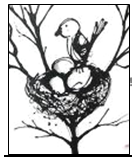
阅读理解。
     Picky, Picky
     Scientists have no idea exactly why birds choose certain objects to build their nests. But scientists know
that the main reason birds build nests is to keep their babies safe, warm and healthy. Baby birds grow faster
and are healthier when they are warm. They also learn to fly and leave the nests sooner than birds without
warm homes.   
     What A Yarn (纱)
      Yarn is big on an oriole's shopping list during nest building. Scientists are still trying to work out why
so many birds choose white yarn over other colors for nest building. Scientists think that the white objects
remind birds of cotton fluff (绒毛) they find in the wild.
     Do It Naturally
     Even though birds can help us recycle some of our junk by using it to build nests, they also need to use
lots of natural things. Long grass, dried sticks, spider's silk and mud are some of the natural ingredients that
are good for nests, too.
     You can make a collection box of things to leave for birds so they can help themselves. Hang a small
plastic box with holes on a tree branch. Fill the box freely with nest building goodies. Hang the box on a tree
and watch birds climb on board to pick through the junk to find their treasures.
     Warning: Don't let the birds turn into a tasty treat. Keep your bird station away from places where cats
hang out.
     For The Birds! Stop!
     Don't throw all that garbage out! Give some to the birds. Look and see how your old junk can help
beautify and warm a bird's new home.
1. The baby birds with warm homes are able to _____.
A. choose right objects
B. leave the nests sooner
C. build good nests
D. learn to fly higher
2. What can people make for birds to build nests?
A. Holes on the tree.
B. Food out of the rubbish.
C. A warning board.
D. A collection box of things.
3. What can we learn from the passage?
A. Birds build nests to store things.
B. Birds regard white objects as cotton.
C. Birds and humans can help each other.
D. Birds and cats fight against each other.
查看答案和解析>>


同步练习册答案