
题目列表(包括答案和解析)
Hi!亲爱的朋友们,你们好!我是定冠词the,用在名词前,我的意思是“这(些)、那(些)”。我们冠词家族人丁稀少,但是作用可不小。我只有两个姐妹a和an。她们通常表示“一个(位、件……)”,用于单数可数名词前。我的性情有些古怪,你想了解我吗?
1 我喜欢演奏乐器,所以我常常出现在乐器前。如:play the piano/guitar(弹钢琴/吉他)等。
2 我经常和世界上独一无二的事物在一起,为此我非常自豪。如:the sun/moon(太阳/月亮)等。
3 我还喜欢帮助一些形容词、分词,与它们一起来表示一类人或事物。如:the old(老人)、the rich(富人) 等。
4 我没事时就喜欢和姓氏的复数形式闲聊人家一家子的情况。如:the Greens(格林一家)等。
5 我还喜欢和序数词一起强调数字的顺序,但当序数词前有形容词性物主代词等修饰限定时,我就会赶快逃走,销声匿迹。如:This is my eleventh birthday.(这是我的第十一个生日。)等。
注意:当我和序数词一起表示日期时,我经常躲起来,但如果在of短语中,我就一定会露面。如:May(the)first=May 1st=the first of May(五月一日)。
1 我不喜欢和科学名词在一起。如:math(数学)、English(英语)等。
2 我对球类运动不感兴趣,你在球类运动前根本找不到我。如:play basketball/soccer(打篮球/踢足球)等。
3 我还有个坏毛病——挑食,三餐饭前从来找不到我的影子。如:eat breakfast/lunch(吃早餐/中餐)等。
你了解定冠词the的生活习性了吗?赶快来找我吧!
请根据定冠词的“生活习性”填空,不需要填的地方打“×”。
1.He usually eats ________ dinner at 6:00 p. m..
2.Let's go and play ________ volleyball now.
3.She can play ________ violin very well.
4.We can speak ________ English and Chinese.
5.We should help ________ poor in the world.
6.My birthday is ________ 23rd of March.
7.I usually go to ________ school at 7:00 in ________ morning.
8.September is ________ ninth month of a year.
9.________ Greens live in China now.
10.I like to stay at ________ home and watch TV.
你知道你亲爱的爸爸妈妈的生日吗?那么你每年可以吃三次生日蛋糕;你知道你爷爷奶奶的生日吗?那么你每年可以吃五次生日蛋糕;你知道你的好朋友们的生日吗?那么……如果你还不知道,还等什么?赶快去打听一下吧!
My father's birthday is ________.
My mother's birthday is ________.
My grandfather's birthday is ________.
My grandmother's birthday is ________.
My birthday is ________.
My best friend's birthday is ________.
小词典:大家一定记得以前我们学了one,two,three,four这样一组表示数目的数词,这类词叫基数词。这一单元我们学到了表示顺序的数词,如:first,second,third等,这类词叫序数词。每个基数词有一个对应的序数词。除了一些特殊的变化外,一般是在相应的基数词后加-th构成序数词。序数词前一般要加定冠词,如the first name(第一个名字,名),the second day(第二天),CharlesV 查理五世读作Charles the fifth.
小博士:仔细观察下面的基数词和对应的序数词的区别和变化,你会发现这种变化是有规律的,你能归纳出来吗?请根据规律填出所缺的基数词和序数词,并特别注意黑体字的词。
one | first | eleven | eleventh | twenty-one | twenty-first |
two | second | twelve | twelfth | twenty-two | twenty-second |
three | third | thirteen | thirteenth | twenty-three | twenty-third |
four | fourth | fourteen | fourteenth | twenty-four | ______ |
five | fifth | fifteen | ______ | twenty-five | twenty-fifth |
six | sixth | sixteen | sixteenth | twenty-six | twenty-sixth |
seven | ______ | seventeen | seventeenth | twenty-seven | twenty-seventh |
eight | eighth | eighteen | eighteenth | twenty-eight | twenty-eighth |
nine | ninth | nineteen | nineteenth | twenty-nine | twenty-ninth |
ten | tenth | twenty | twentieth | thirty | thirtieth |
thirty-one | thirty-first fortieth ninetieth | hundred | hundredth | ||
forty | thousand | thousandth | |||
ninety | million | millionth | |||
我找到规律了!请看:
1 英语序数词1~19,除first,second,third等特殊形式外,其余的一般是在相应的基数词后加-th构成。
2 有几个序数词加-th时拼法不规则,要注意。如fifth,________ ________ ________。
3 十位整数的序数词的构成方法是先将其基数词的词尾“ty”中的“y”改为“i”,再加“-eth”。如________。
4 基数词“几十几”变成序数词时,只需将个位数变成序数词,十位数不变。如________。
Helen Keller lived in the USA. She was a great① woman.
When Helen was a baby, she got very sick. After many weeks, the doctor said, “She is better, but now she can’t see and can’t hear②.” Her mother and father were very sad.
After a few years, things got worse. There was no way for Helen to speak to other people. She heard nothing. She saw nothing. She didn’t understand anything.
Then one day a teacher came to live with Helen and her family. The teacher helped Helen learn about words. Helen was very bright and she learned to spell her first word③. When she was older, she went to college.
Helen was very famous. She helped many blind and deaf(聋) people. She traveled around the world and helped many people.
Helen was a very old woman when she died. The world remembers her today as a brave(勇敢) and wonderful person. She was blind and deaf, but she found a way to see and hear④.
1.下列A、B、C、D中哪一项不能替代①:____________________.
A.famous B.wonderful C.popular D.grand(自负的)
2.完成句子,使其意思与划线②相同:
She can ____________________ see _________________ hear.
3.完成句子,使其意思与划线③相同:
Helen was ________________ bright ________________ she learned to spell her first word.
4.用文中单词进行词形变化:
clever(同义词)_____________ know(同音词)_____________
bad(比较级)_______________ one(序数词)_______________
5.完成句子,使其意思与划线④相同:
____________________ she was blind and deaf, she found a way to see and hear.
听力测试(本大题共20分,每小题1分)
第一节(共10小题)
听下面10段短对话,每段对话后有一个小题,从题中A、B、C三个选项中选出最佳选项。听完每段对话后,你都有10秒钟的时间来回答有关小题和阅读下一小题。每段对话读两遍。
听第1至10段材料,回答第1至10题。
1.What did Tom enjoy doing before?
A.

B.
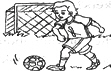
C.

2.How does George usually go to work?
A.

B.

C.

3.What did the woman do first?
A.

B.

C.

4.Which floor does Steven live on?
A.

B.

C.

5.When will the film begin?
A.At 7∶55 p.m.
B.At 8∶00 p.m.
C.At 8∶05 p.m.
6.How long has Mrs Green had the hat?
A.More than three years.
B.Less than three years.
C.Just three years.
7.Where is Mr.Read now?
A.In Nanjing.
B.In Shanghai.
C.At home.
8.How much money can the woman borrow from Jack?
A.50 yuan.
B.80 yuan.
C.20 yuan.
9.Who will be good friends?
A.Mary and John.
B.Mary and Jane.
C.John and Jane.
10.Where did the woman live before she moved?
A.In the factory.
B.Near the factory.
C.In a house on West Street.
第二节(共10小题)
听下面3段长对话和短文,每段对话和短文后有几个小题,从题中A、B、C三个选项中选出最佳选项。听每段对话和短文前,你将有时间阅读各个小题,每小题5秒钟,听完后,每小题将给出5秒钟的作答时间。每段对话和短文读两遍。
听第11段材料,回答第11、12题。
11.What does Mary want to do?
A.Walk in the street.
B.Stand in the cold wind.
C.Go walking in the park.
12.When does the conversation (对话) most probably take place?
A.Early in the morning.
B.Late in the morning.
C.Late in the afternoon.
听第12段材料,回答第13至15题。请根据短文内容,选择正确答案,完成信息记录表。

13.A.Eating differently
B.Eating manners
C.Eating habits(习惯)
14.A.eat less
B.eat more
C.eat well
15.A.noisily
B.quietly
C.comfortably
听第13段材料,回答第16至20题。
16.What did the writer and the Englishman talk about at first?
A.The weather.
B.English idioms(惯用语).
C.Studying English.
17.Has the Englishman ever been to the Great Wall?
A.Yes, he has.
B.No, he hasn't.
C.We don't know.
18.How many times has the writer misunderstood(误解)the Englishman?
A.Once.
B.Twice.
C.Three times.
19.What did the Englishman mean when he said “You don't say!”?
A.He asked the writer not to talk about it.
B.He didn't agree with the writer.
C.He wanted to express(表达)interest, surprise, etc.
20.What did the writer plan to do at last?
A.To learn more about spoken English.
B.To be careful with English idioms.
C.To learn from the foreigners(外国人).
湖北省互联网违法和不良信息举报平台 | 网上有害信息举报专区 | 电信诈骗举报专区 | 涉历史虚无主义有害信息举报专区 | 涉企侵权举报专区
违法和不良信息举报电话:027-86699610 举报邮箱:58377363@163.com