
题目列表(包括答案和解析)
The word “day” has two meanings. When we talk about the number of days in a year, we are using “day” to mean 24 hours. But when we talk about day and night, we are using “day” to mean the time between sunrise and sunset. Since the earth looks like a ball, the sun can shine on only half of it at a time. Always one half of the earth is having day and the other half night. A place is moved from day into night and from night into day over and over by the spinning(旋转)of the earth. At the equator(赤道)day and night are sometimes the same length(长度). They are each twelve hours long. The sun rises at 6 o’clock in the morning and sets at 6 o’clock in the evening. For six months the North Pole is tilted(倾斜)toward the sun. In those months the Northern Hemisphere(半球)gets more hours of sunlight than the Southern Hemisphere. Days are longer than nights. South of the equator nights are longer than days. For the other six months the North Pole is tilted away from the sun. Then the Southern Hemisphere gets more sunlight. Days are longer than nights. North of the equator nights are longer than days. Winter is the season of long nights. Summer is the season of long days.
( )6.When the Western Hemisphere is having day, the Eastern Hemisphere is having ________.
A. both day and night B. day
C. neither day nor night D. night
( )7. A place is moved from day into night and from night into day over and over by ________ of the earth.
A. the pushing B. the pulling
C. the spinning D. the passing
( )8. At the equator day is as long as night ________.
A. sometimes B. never C. usually D. always
( )9. When the North Pole is tilted toward the sun, the Northern Hemisphere gets ________ sunlight.
A. less B. more C. all D. no
( )10. When it is winter in China, ________.
A. the USA is tilted toward the sun
B. the South Pole is tilted away from the sun
C. the North Pole is tilted toward the sun
D. the North Pole is tilted away from the sun
The word“day” has two meanings. When we talk about the number of days in a year, we are using “day” to mean 24 hours. But when we talk about day and night, we are using“day” to mean the time between sunrise and sunset. Since the earth looks like a ball, the sun can shine on only half of it at a time. Always one half of the earth is having day and the other half night. A place is moved from day into night and from night into day over and over by the spinning(旋转)of the earth. At the equator(赤道)day and night are sometimes the same length(长度). They are each twelve hours long. The sun rises at 6 o’clock in the morning and sets at 6 o’clock in the evening. For six months the North Pole is tilted(倾斜)toward the sun. In those months the Northern Hemisphere(半球)gets more hours of sunlight than the Southern Hemisphere. Days are longer than nights. South of the equator nights are longer than days. For the other six months the North Pole is tilted away from the sun. Then the Southern Hemisphere gets more sunlight. Days are longer than nights. North of the equator nights are longer than days. Winter is the season of long nights. Summer is the season of long days.
1.When the Western Hemisphere is having day, the Eastern Hemisphere is having ________.
A. both day and night B. day
C. neither day nor night D. night
2.A place is moved from day into night and from night into day over and over by ________ of the earth.
A. the pushing B. the pulling C. the spinning D. the passing
3..At the equator day is as long as night ________.
A. sometimes B. never C. usually D. always
4.When the North Pole is tilted toward the sun, the Northern Hemisphere gets ________ sunlight.
A. less B. more C. all D. no
5..When it is winter in China, ________.
A. the USA is tilted toward the sun
B. the South Pole is tilted away from the sun
C. the North Pole is tilted toward the sun
D. the North Pole is tilted away from the sun
The word “day” has two meanings. When we talk about the number of days in a year, we are using “day” to mean 24 hours. But when we talk about day and night, we are using “day” to mean the time between sunrise and sunset. Since the earth looks like a ball, the sun can shine on only half of it at a time. Always one half of the earth is having day and the other half night. A place is moved from day into night and from night into day over and over by the spinning(旋转)of the earth. At the equator(赤道)day and night are sometimes the same length(长度). They are each twelve hours long. The sun rises at 6 o’clock in the morning and sets at 6 o’clock in the evening. For six months the North Pole is tilted(倾斜)toward the sun. In those months the Northern Hemisphere(半球)gets more hours of sunlight than the Southern Hemisphere. Days are longer than nights. South of the equator nights are longer than days. For the other six months the North Pole is tilted away from the sun. Then the Southern Hemisphere gets more sunlight. Days are longer than nights. North of the equator nights are longer than days. Winter is the season of long nights. Summer is the season of long days.
( )6.When the Western Hemisphere is having day, the Eastern Hemisphere is having ________.
A. both day and night B. day
C. neither day nor night D. night
( )7. A place is moved from day into night and from night into day over and over by ________ of the earth.
A. the pushing B. the pulling
C. the spinning D. the passing
( )8. At the equator day is as long as night ________.
A. sometimes B. never C. usually D. always
( )9. When the North Pole is tilted toward the sun, the Northern Hemisphere gets ________ sunlight.
A. less B. more C. all D. no
( )10. When it is winter in China, ________.
A. the USA is tilted toward the sun
B. the South Pole is tilted away from the sun
C. the North Pole is tilted toward the sun
D. the North Pole is tilted away from the sun
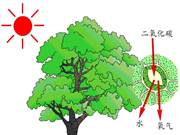
We all enjoy the beautiful show of colours as leaves change each autumn. But did you ever wonder how and why this happens?
Leaves are nature’s food factories. Plants take water from the ground through their roots and take carbon dioxide (二氧化碳) from the air. Plants use sunlight to turn water and carbon dioxide into glucose (葡萄糖). Glucose is a kind of sugar, which plants use as food for energy and growing.
The way plants turn water and carbon dioxide into sugar is called photosynthesis that means “ putting together with light”. A chemical called chlorophyll helps photosynthesis. It gives plants their green colour. As summer ends and autumn comes, the days get shorter and shorter, and trees “know” to begin getting ready for winter.
During winter, there is not enough light or water for photosynthesis. Trees rest during this time and live on the food they store during the summer. They begin to shut down their food-making factories.
As the green chlorophyll disappears from the leaves, we begin to see yellow and orange leaves. Small amounts of these colours have been in the leaves all along. We just can’t see them in the summer, because they are covered up by the green chlorophyll.
The bright reds and purples we see in leaves are made mostly in autumn. In some trees, like maples (枫树), glucose is caught in the leaves after photosynthesis stops. Sunlight and the cool nights of autumn turn this glucose into a red colour. The brown colour of trees like oaks (橡树) is made from waste left in the leaves.
It is the mixture of all these things that makes the beautiful colours we enjoy during autumn.
【小题1】The word “chlorophyll” in the third paragraph means _______ in Chinese.
| A.叶绿素 | B.氧气 | C.胡萝卜素 | D.蛋白质 |
| A.water and carbon dioxide |
| B.glucose and energy |
| C.sunlight and water |
| D.sunlight and carbon dioxide |
| A.plants change water and carbon dioxide into sugar |
| B.plants turn water and carbon dioxide into sugar with the help of sunlight |
| C.plants use glucose as food for energy and growing |
| D.chlorophyll is a great help |
| A.When autumn and winter come, the days get shorter and shorter. |
| B.During winter trees rest and live on the food they store during the summer. |
| C.During winter small amounts of yellow and orange colours are kept in the leaves all the time. |
| D.Trees begin to stop making food in summer. |
| A.all the plants can grow well with the strong sunlight |
| B.there are all kinds of plants on the earth |
| C.all the colours of the leaves aren’t made from chlorophyll |
| D.maples and oaks have the same reason as other trees for the change of colours |
The word“day” has two meanings. When we talk about the number of days in a year, we are using “day” to mean 24 hours. But when we talk about day and night, we are using“day” to mean the time between sunrise and sunset. Since the earth looks like a ball, the sun can shine on only half of it at a time. Always one half of the earth is having day and the other half night. A place is moved from day into night and from night into day over and over by the spinning(旋转)of the earth. At the equator(赤道)day and night are sometimes the same length(长度). They are each twelve hours long. The sun rises at 6 o’clock in the morning and sets at 6 o’clock in the evening. For six months the North Pole is tilted(倾斜)toward the sun. In those months the Northern Hemisphere(半球)gets more hours of sunlight than the Southern Hemisphere. Days are longer than nights. South of the equator nights are longer than days. For the other six months the North Pole is tilted away from the sun. Then the Southern Hemisphere gets more sunlight. Days are longer than nights. North of the equator nights are longer than days. Winter is the season of long nights. Summer is the season of long days.
【小题1】When the Western Hemisphere is having day, the Eastern Hemisphere is having ________.
| A.both day and night | B.day |
| C.neither day nor night | D.night |
| A.the pushing | B.the pulling | C.the spinning | D.the passing |
| A.sometimes | B.never | C.usually | D.always |
| A.less | B.more | C.all | D.no |
| A.the USA is tilted toward the sun |
| B.the South Pole is tilted away from the sun |
| C.the North Pole is tilted toward the sun |
| D.the North Pole is tilted away from the sun |
湖北省互联网违法和不良信息举报平台 | 网上有害信息举报专区 | 电信诈骗举报专区 | 涉历史虚无主义有害信息举报专区 | 涉企侵权举报专区
违法和不良信息举报电话:027-86699610 举报邮箱:58377363@163.com