
题目列表(包括答案和解析)
Welcome to Reading Explorer!
In this book, you’ll travel the world, explore different cultures and discover interesting topics. You’ll also become a better reader!
Reading will be easier—and you’ll understand more—if you ask yourself these questions:
What do I already know?
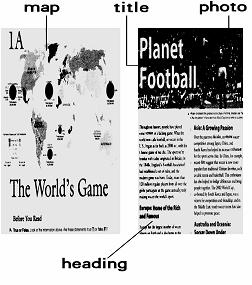
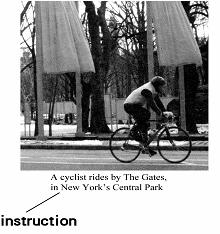
² Before you read, look at the photos, instructions, charts and maps. Ask yourself:
What do already know about this topic?
² Think about the language you know—or may need to know—to understand the topic.
What do I want to learn?
² Look at the title and headings.
Ask yourself:What is this passage about? What will I learn?
² As you read, check your prediction.
What have I learned?
² As you read, take notes. Use them to help you answer questions about the passage.
² Write down words you learn in a vocabulary notebook.
How can I learn more?
² Practice your reading skills and vocabulary in the Review Units.
² Explore the topics by watching the videos in class, or at home using the CD-ROM.
Now you’re ready to explore your world!
16. Where can you probably find the passage?
A. At the end of a magazine. B. At the top of a map
C. At the beginning of a book. D. At the bottom of a guidebook.
17. The underlined word “prediction” probably means ____________.
A. the place you are going to visit B. the vocabulary you find in a notebook
C. the time you have spent in reading D. the thing you think is going to happen.
18. In the Review Units you can _________.
A. watch the videos at home B. discover many interesting topics
C. practice reading skills and vocabulary D. enjoy the photos, charts and maps
| A.People still believe old ideas about why they catch colds. |
| B.Colds are the biggest health problem in the world. |
| C.Some people think that strong winds cause colds. |
| D.You should take good care of your health in winter. |
| A.bad food | B.wet clothes | C.a virus | D.strong winds |
| A.scientists | B.old ideas | C.colds | D.dry clothes |
| A.There are many different ideas about how people catch colds. |
| B.Scientists don’t know how people catch colds. |
| C.Some people think that wearing wet clothes gives you a cold. |
| D.In the U.S., many small children wear boots in winter. |
| A.no | B.one | C.the same | D.different |
| A.People still believe old ideas about why they catch colds. |
| B.Colds are the biggest health problem in the world. |
| C.Some people think that strong winds cause colds. |
| D.You should take good care of your health in winter. |
| A.bad food | B.wet clothes | C.a virus | D.strong winds |
| A.scientists | B.old ideas | C.colds | D.dry clothes |
| A.There are many different ideas about how people catch colds. |
| B.Scientists don’t know how people catch colds. |
| C.Some people think that wearing wet clothes gives you a cold. |
| D.In the U.S., many small children wear boots in winter. |
| A.no | B.one | C.the same | D.different |
Many cultures have different ideas about why people catch colds. For example in the United States, some people think that you can catch a cold if your feet get cold. So, mothers tell small children to wear warm boots in the winter. In other places, including parts of the Middle East, some people believe that strong winds cause colds. So, on trains and buses, people usually don’t like to sit next to open windows. In parts of Europe, some people think that wearing wet clothes will give you a cold. They say that after you go swimming, you should quickly put on dry clothes. Today, scientists know that colds are caused by a virus(病毒). But the old ideas are still very strong, and many people still follow them to avoid(避免)getting ill.
【小题1】What is the main idea of this reading?
| A.People still believe old ideas about why they catch colds. |
| B.Colds are the biggest health problem in the world. |
| C.Some people think that strong winds cause colds. |
| D.You should take good care of your health in winter. |
| A.bad food | B.wet clothes | C.a virus | D.strong winds |
| A.scientists | B.old ideas | C.colds | D.dry clothes |
| A.There are many different ideas about how people catch colds. |
| B.Scientists don’t know how people catch colds. |
| C.Some people think that wearing wet clothes gives you a cold. |
| D.In the U.S., many small children wear boots in winter. |
| A.no | B.one | C.the same | D.different |
Many cultures have different ideas about why people catch colds. For example in the United States, some people think that you can catch a cold if your feet get cold. So, mothers tell small children to wear warm boots in the winter. In other places, including parts of the Middle East, some people believe that strong winds cause colds. So, on trains and buses, people usually don’t like to sit next to open windows. In parts of Europe, some people think that wearing wet clothes will give you a cold. They say that after you go swimming, you should quickly put on dry clothes. Today, scientists know that colds are caused by a virus(病毒). But the old ideas are still very strong, and many people still follow them to avoid(避免)getting ill.
【小题1】What is the main idea of this reading?
| A.People still believe old ideas about why they catch colds. |
| B.Colds are the biggest health problem in the world. |
| C.Some people think that strong winds cause colds. |
| D.You should take good care of your health in winter. |
| A.bad food | B.wet clothes | C.a virus | D.strong winds |
| A.scientists | B.old ideas | C.colds | D.dry clothes |
| A.There are many different ideas about how people catch colds. |
| B.Scientists don’t know how people catch colds. |
| C.Some people think that wearing wet clothes gives you a cold. |
| D.In the U.S., many small children wear boots in winter. |
| A.no | B.one | C.the same | D.different |
湖北省互联网违法和不良信息举报平台 | 网上有害信息举报专区 | 电信诈骗举报专区 | 涉历史虚无主义有害信息举报专区 | 涉企侵权举报专区
违法和不良信息举报电话:027-86699610 举报邮箱:58377363@163.com