
题目列表(包括答案和解析)
| A.In Japan. | B.In Sweden. | C.In England. | D.In Korea. |
| A.Because of the culture. | B.Because of her looks. |
| C.Because of the food. | D.Because of the language. |
| A.except | B.as for | C.as well as | D.besides |
| A.Ida hadn't seen her birthparents for at least 22 years. |
| B.Ida found it easy for her to get used to living in Korea. |
| C.Ida still couldn't accept who she was after she went back to Sweden. |
| D.Ida realized she can't live a happy life either in Sweden or in Korea. |

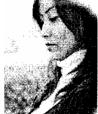
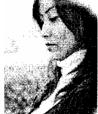
A young girl called Ida in Sweden decided to travel to a place she hadn't seen for 22 years. She had a happy life until some kids asked, "Why don't you look like your mom?" Ida was sent to her adopted(收养) family in Sweden right after she was born.She really didn't know anything about her birthplace, Korea, except for some information she recently heard about her birthparents.
During her schooldays, she was often questioned about her looks. Ida considered herself a normal Swedish person. She tried to be part of the group in her school, but she found it hard. She was still seen as an outsider.
As she grew older, she accepted(接受)who she was. Still, she
wanted to find the missing piece of the puzzle (困惑). After finding out the place of her birthparents, Ida went to Korea in 2008. When she first arrived, she was surprised to see so many people who looked like her. However, apart from her looks, not much could be shared (分享) with others. She knew little about the culture, food, especially the language. Being in Korea wasn't always easy for her.
Perhaps Ida can never truly fit in either culture, but it's worth visiting her birthplace because she finally realized how special and different she is. She has two loving families, and most of all a better understanding of who she is. This helps her to have a positive view of her life.
【小题1】 Where was Ida born?
| A.In Japan. | B.In Sweden. | C.In England. | D.In Korea. |
| A.Because of the culture. | B.Because of her looks. |
| C.Because of the food. | D.Because of the language. |
| A.except | B.as for | C.as well as | D.besides |
| A.Ida hadn't seen her birthparents for at least 22 years. |
| B.Ida found it easy for her to get used to living in Korea. |
| C.Ida still couldn't accept who she was after she went back to Sweden. |
| D.Ida realized she can't live a happy life either in Sweden or in Korea. |
| A.In Japan. | B.In Sweden. | C.In England. | D.In Korea. |
| A.Because of the culture. | B.Because of her looks. |
| C.Because of the food. | D.Because of the language. |
| A.except | B.as for | C.as well as | D.besides |
| A.Ida hadn't seen her birthparents for at least 22 years. |
| B.Ida found it easy for her to get used to living in Korea. |
| C.Ida still couldn't accept who she was after she went back to Sweden. |
| D.Ida realized she can't live a happy life either in Sweden or in Korea. |
One day, a teacher was giving a speech to his students. He held up a glass of water and asked the class, "How heavy do you think this glass of water is?"
The students' answers ranged from 20 g to 500 g. "It does not matter on the weight itself. It depends on how long you hold it. If I hold it for a minute, it is OK. If I hold it for an hour, I will have an ache in my right arm. If I hold it for a day, you will have to call an ambulance (救护车). It is exactly the same weight, but the longer I hold it, the heavier it becomes. "
If we carry our burdens (负担) all the time, sooner or later, we will not be able to carry on, the burden becoming increasingly heavier. "
"What you have to do is to put the glass down, rest for a while before holding it up again. "
We have to put down the burden sometimes, so that we can be refreshed and are able to carry on.
So before you return home from work tonight, put the burden of work down. Don't carry it back home. You can pick it up tomorrow.
Whatever burdens you are having now on your shoulders, let it down for a moment if you can.
【小题1】 The teacher brought a glass of water to the class because .
| A.he was very thirsty | B.his arms were strong |
| C.it was a good example | D.he wants to share the water with students |
| A.knowledge | B.the burden | C.the time | D.the money |
| A.more stressed | B.much heavier |
| C.more relaxed | D.much happier |
| A.how to relax oneself in life |
| B.how to solve a physics problem |
| C.how to keep fit by drinking water |
| D.how to study well |
| A.You could become heavier and heavier if you held a glass of water in your hand. |
| B.All the students in the class knew what the weight of the glass of water exactly was. |
| C.The teacher had a good way of making his lesson clear and easy to be understood. |
| D.All the students can understand the teacher’s lesson. |
One day, a teacher was giving a speech to his students. He held up a glass of water and asked the class, "How heavy do you think this glass of water is?"
The students' answers ranged from 20 g to 500 g. "It does not matter on the weight itself. It depends on how long you hold it. If I hold it for a minute, it is OK. If I hold it for an hour, I will have an ache in my right arm. If I hold it for a day, you will have to call an ambulance (救护车). It is exactly the same weight, but the longer I hold it, the heavier it becomes. "
If we carry our burdens (负担) all the time, sooner or later, we will not be able to carry on, the burden becoming increasingly heavier. "
"What you have to do is to put the glass down, rest for a while before holding it up again. "
We have to put down the burden sometimes, so that we can be refreshed and are able to carry on.
So before you return home from work tonight, put the burden of work down. Don't carry it back home. You can pick it up tomorrow.
Whatever burdens you are having now on your shoulders, let it down for a moment if you can.
1. The teacher brought a glass of water to the class because .
|
A.he was very thirsty |
B.his arms were strong |
|
C.it was a good example |
D.he wants to share the water with students |
2."A glass of water" in this passage referred to .
|
A.knowledge |
B.the burden |
C.the time |
D.the money |
3.According to the teacher, you may feel _ if you put down the burden sometimes.
|
A.more stressed |
B.much heavier |
|
C.more relaxed |
D.much happier |
4. This was a lesson about ____ .
|
A.how to relax oneself in life |
|
B.how to solve a physics problem |
|
C.how to keep fit by drinking water |
|
D.how to study well |
5. Which of the following statements is TRUE according to the passage?
|
A.You could become heavier and heavier if you held a glass of water in your hand. |
|
B.All the students in the class knew what the weight of the glass of water exactly was. |
|
C.The teacher had a good way of making his lesson clear and easy to be understood. |
|
D.All the students can understand the teacher’s lesson. |
湖北省互联网违法和不良信息举报平台 | 网上有害信息举报专区 | 电信诈骗举报专区 | 涉历史虚无主义有害信息举报专区 | 涉企侵权举报专区
违法和不良信息举报电话:027-86699610 举报邮箱:58377363@163.com