
【题目】Choose the words or expressions and complete the passage(选择最恰当的选项完成短文).
Although the first airplane did not fly until 1903, flying soon became the fastest method of transport. Today it is ________ people’s favourite way of traveling long distances because it has a lot of advantages. The first airplane were not big or powerful enough to carry more than a pilot, but during the First World War (1914-1918. larger aircraft with up to four engines were ________to carry bombs (炸弹). After the war some of these were changed to carry a few passenger services.
In 1919 the first regular passenger services were started between several cities in Europe.
Air transport was even then too ________ for most cargoes (货物), but mail began to carried by air at an early stage. This was partly because letters are small and light, and partly because businessmen, especially, were prepared to pay more for their mail to be delivered by the fastest method. ________ , in the United States, where letters could take over a week to cross the country by train, airmail services the first regular transport flights.
The early passenger aircraft could carry only about 12 passengers, and only enough ________for short journeys. For long distances, such as from Europe to the United states, filled with very light gas and able to float through the air, began to be used in the 1930s.
By the end of the Second World War in 1945, much larger airplanes had been made. At the same time, military (军事的) airfields had been built all over the world, and long-distance routes had been set up. After the war, the introduction of the jet engine, which ________much greater power, allowed even bigger and faster aircraft to be built. Today’s wide-bodied airplanes can carry as many as 800 passengers.
Modern air transport passenger services are quite convenient. Air transport has allowed more people to travel abroad than ever before.
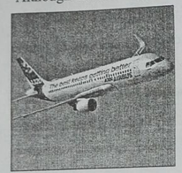
【1】A. quietly B. easily C. directly D. recently
【2】A. recognized B. considered C. developed D. described
【3】A. expensive B. ordinary C. traditional D. private
【4】A. After all B. For example C. In addition D. On average
【5】A. time B. money C. food D. fuel
【6】A. produces B. attracts C. reuses D. spreads
【答案】
【1】A
【2】C
【3】A
【4】B
【5】D
【6】A
【解析】
试题分析:这篇短文讲的是如今飞机已经成为了人们最喜欢的长途交通方式并重点介绍了飞机的发展历史。
【1】A考查副词与语境理解。A. quietly悄悄地; B. easily容易地;C. directly直接地;D. recently最近地。生活常识题,如今飞机已经悄悄地成为了人们最喜欢的长途交通方式。
【2】C考查动词与语境理解。A. recognized组织;B. considered认为; C. developed发展; D. described描述。生活常识题,在一战期间飞机的容量被扩展、发展了,来运输炸弹。
【3】A考查形容词与语境理解。A. expensive昂贵的;B. ordinary普通的;C. traditional传统的; D. private私人的。上下文暗示题,下文说到商人准备为邮件的航空投递付出更高昂的邮费,故用飞机运输货物依然是一个太昂贵的方式。
【4】B考查短语与语境理解。A. After all ;B. For example; C. In addition; D. On average。固定搭配题,四个选项的意思分别为:毕竟;举例来说;此外;平均来说,此处在一个总结句的后面以美国为例,应选for example。
【5】D考查名词与语境理解。A. time时间;B. money 金钱;C. food食物;D. fuel燃料。上下文暗示题,由于下文讲到长途飞机一般需补给汽油,故短途旅行飞机会携带好充足的燃料。
【6】A考查动词与语境理解。A. produces产生; B. attracts吸引;C. reuses重复使用;D. spreads扩散。上下文逻辑题,滑翔机的产生可以制造出更优质的动力,符合逻辑。

 同步轻松练习系列答案
 课课通课程标准思维方法与能力训练系列答案
科目:初中英语 来源: 题型:
【题目】【2014年甘肃省兰州市中考】Parents often their children some good advice.
A. offer; with B. offer; /
C. provide; with D. both B and C
查看答案和解析>>
科目:初中英语 来源: 题型:
【题目】书面表达
Paul是你的好朋友,近几年来他的变化很大,请根据下面表格里提供的信息
写一篇短文,描述他五年前和现在的一些情况,简要介绍他的成长变化。
要求:1. 根据表格内容进行写作,可适当发挥;内容具体,语句通顺,书写工整。
2. 90词左右,短文的开头已给出,不计入总词数。
3. 文章中不能出现你自己的真实姓名、班级和学校。

Changes
in Paul’s Life
Paul is my good friend. He has changed a lot in the past five years.
查看答案和解析>>
科目:初中英语 来源: 题型:
【题目】书面表达
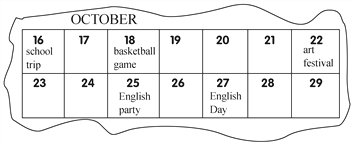
假如你是汤姆(Tom),下面是你们学校十月份的活动安排表。请根据表中内容,写一篇短文,向大家介绍一下你们学校十月份的活动安排。
要求:60词左右。
__________________________________________________________________________________________________________________________________________________________________________________________________________________________________________________________________________________________________________________________________________________________________________________________________________________________________________________________________________________________
查看答案和解析>>
科目:初中英语 来源: 题型:
【题目】根据语境及所给图片提示写出所缺单词。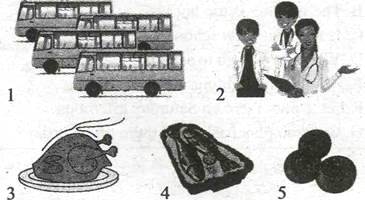
(1)Four are at the station.
(2)Those are in the school.
(3)There isn't any at home.
(4)Eat some ,please.
(5)Do you like ?
查看答案和解析>>
科目:初中英语 来源: 题型:
【题目】A
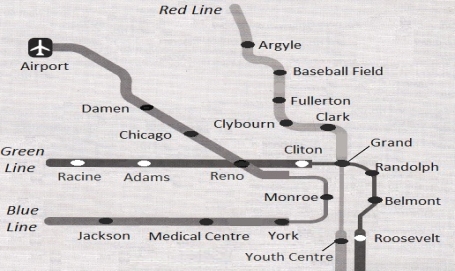
【1】Julia is at Racine. She wants to go to Baseball Field. She should change lines at .
A. Reno B. Cliton C. Grand D. Randolph
【2】To go to Airport from Youth Centre, you should take underground lines in this order: .
A. Red Line → Blue Line → Green Line
B. Blue Line → Green Line → Red Line
C. Blue Line → Red Line → Green Line
D. Red Line → Green Line → Blue Line
查看答案和解析>>
科目:初中英语 来源: 题型:
【题目】When he home, he often plays computer games.
A. get up B. gets to C. gets D. get
查看答案和解析>>
科目:初中英语 来源: 题型:
【题目】
Here is a page from a magazine called Future. Read the following information about things that may happen in ten years.
48).Cars will run on solar power(太阳能)and will be much cleaner. They will be much safer. For example,if you are too close to another car or if you are driving dangerously, your car will slow down or stop by itself.
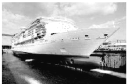
New cities will have to be built in the sea. Some of them will have two levels(层).People will live on the upper level; the lower level will be used for traffic, shops and factories.

Biotechnology(生物技术)will make food better and healthier. Plants without insects or illnesses will be developed.49).The taste of fruit and vegetables will be better and food will be kept longer__

Many new ways to cure(治愈)illnesses will be found. People will use products of genetic engineering(基因工程产品)to cure more illnesses. However, some new illnesses will appear.
(一)根据短文内容简要回答问题。
【1】What will be made better and healthier by biotechnology?
_______________________________________________________
【2】Where will new cities have to be built in the future?
_________________________________________________________
(二)将短文中画线的英语句子译成汉语。
【3】___________________________________________________
【4】____________________________________________________
(三)请给短文拟一个适当的标题。
【5】____________________________________________________
查看答案和解析>>
科目:初中英语 来源: 题型:
【题目】【2014,绵阳】The radio is too loud.Please__ __.
A.turn it down B.turn it up
C.turn it on D.turn in over
查看答案和解析>>
湖北省互联网违法和不良信息举报平台 | 网上有害信息举报专区 | 电信诈骗举报专区 | 涉历史虚无主义有害信息举报专区 | 涉企侵权举报专区
违法和不良信息举报电话:027-86699610 举报邮箱:58377363@163.com