
26. ____ in Jiangxi Province the next morning _____ we found many places flooded by the thunderstorm.
A. Hardly we had arrived; when B. No sooner did we arrive; than
C. Hardly had we arrived; when D. No sooner had we arrived; then
25. She has a lot of hobbies, ____ playing chess _____ canoeing.
A. ranges from … to… B having ranged from…to…
C. ranged from…to… D. ranging from…to…
24. He paid for a seat, when he _____ have entered free.
A. could B would C. must D. need
23. ______ difficult it is, he is determined to ______ the experiment.
A. No matter how; have a go at B. However; have a go for
C. Whatever ; have a go D. No matter what; have a go at
22. I am_____ to learn that Picasso produced more than 20,000 pieces of art ___ he wasn’t just a painter.
A. amazing ; and that B. amazed ; that
C. amazed ; and that D. amazing; and
21. He ________ the multinational corporation(跨国公司) _______ the position yesterday, because he thinks that he is good at it.
A. applied for; to B. adapted to, for
C. applied to ; for D applies to ; for
34、(6分)土壤中生活着大量的细菌、真菌和放线菌。某同学想设计实验探究土壤微生物是否可以将淀粉分解为还原糖,请你帮助完成相关设计。
实验用具及药品:烧杯、纱布、玻璃棒、试管、酒精灯、水、蒸馏水、碘液、斐林试剂、淀粉糊等。
(1)实验假设: 。
(2)实验步骤:
①将取自农田、林地或花盆等地的土壤放入里面垫有厚纱布的烧杯中,加水搅拌,然后将纱布连同土壤一起去掉。将留在烧杯中的土壤浸出液静置一段时间备用。
②另取两只烧杯,编号A、B,分别加入 。然后在A烧杯中加入30mL的土壤浸出液,在B烧杯中加入 。
③在室温下放置7天后,分别取A、B烧杯中的溶液20mL,各加入两支试管中,分别编号为
A1、A2 ,B1、B2。
④在A1、B1、中加入 。在A2 、、B2中加入 并加热。
⑤观察试管中溶液的颜色变化,记录实验结果。
(3)实验现象:
如果支持实验假设,则实验现象是 。
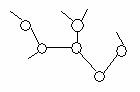
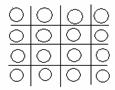
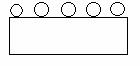
33、(7分) 在20世纪50年代,酶已经大规模地应用于各个生产领域,到了70年代发明了固定化酶与固定化细胞技术。请据图回答:
(1)在实际生产中,固定化酶技术的优点是 。
与固定酶技术相比,固定化细胞固定的是 酶,固定化酶或固定化细胞与直接使用
酶相比,其反应效果 。
(2)制备固定化酵母细胞,先要把包埋材料加热溶化,其加热方法是: ;
使用了下图[ ] 方法包埋。
|
|
|
(3)制作固定化酵母细胞时,充分混合均匀的酵母细胞溶液可在饱和 溶液中形成凝胶珠。部分同学实验制得的凝胶珠不是圆形或椭圆形,其主要原因是
。
湖北省互联网违法和不良信息举报平台 | 网上有害信息举报专区 | 电信诈骗举报专区 | 涉历史虚无主义有害信息举报专区 | 涉企侵权举报专区
违法和不良信息举报电话:027-86699610 举报邮箱:58377363@163.com