
1. (设置听力任务。让学生带着任务听录音,将问题呈现在小黑板上。)
T: Listen to the tape, please. Don’t look at your books. Try to answer the questions.
|
(1)
What’s the difference between Gu Kaizhi’s and Vincent van Gogh’s styles? (2) What does Steve prefer, landscape or portrait paintings? |
(听录音,回答问题。)
(因为这两个问题有一定的难度,如果需要,可再听一遍。)
(板书画线部分,为复述两个艺术家的情况做基础。)
|
Gu
Kaizhi: The way he shows things in the distance is different from the way
Vincent van Gogh does. |
Step 3 Consolidation 第三步 巩固(时间: 10分钟)
巩固1a,完成1b。
4. (展示凡·高的风景画,对其艺术风格进行描述,为下一步的复述作准备。)
T: This is Vincent van Gogh’s landscape. What’s his style?
(让学生们用自己的话进行描述。)
S4: The scene is about countryside.
S5: The colors are very bright.
S6: The sky is so blue.
S7: ...
(教师总结,并板书课本上所出现的描述其艺术风格的语句。)
T: He always expected that people lived in a simple and happy life. So his paintings express strong feelings. Also his paintings are very lively with colors.
|
…, Vincent
van Gogh’s works usually express strong feelings. Vincent van Gogh’s paintings are very lively with bright colors. |
(为了让学生们在问及艺术家的艺术风格时能够进行完整的问答,把同学们分成两大组,第一组问,第二组答,然后交换角色进行练习。)
Group 1: What’s Vincent van Gogh’s style?
Group 2: His paintings express strong feelings. His paintings are very lively with bright colors.
(交换)
Group 2: What’s Vincent van Gogh’s style?
Group 1: His paintings express strong feelings. His paintings are very lively with bright colors.
Step 2 Presentation 第二步 呈现(时间: 5分钟)
学习1a。
3. (展示顾恺之的风景画,对其艺术风格进行描述,为下一步的复述作准备。)
T: This is Gu Kaizhi’s landscape. What’s his style?
(让学生用自己的话进行描述。)
S1: The scene in his picture is beautiful.
S2: The colors are not so bright.
S3: The people are quiet.
...
T: He is good at painting figures. Do the landscapes in his works look attractive?
Ss: Yes.
(教师总结并板书课本上所出现的描述其艺术风格的语句。)
|
And
the landscapes in his works also look attractive. |
T: What’s Gu Kaizhi’s style?
Ss: He painted beautiful landscapes and people.
Step 1 Review 第一步 复习(时间: 15分钟)
复习并学习对画的分析与赏析,学会用英语表达。
1. (拿出事先准备好的三幅属于不同种类的图画,师生问答,复习对图画的分类。)
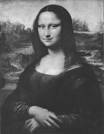
(1)(拿出达·芬奇的《蒙娜丽莎》,本图画属于肖像。)
T: Whose painting is it?
Ss: It’s Leonardo da Vinci’s.
T: What type of painting is it?
Ss: It’s a portrait.
 (2)(然后学生之间对话。)
|
|
|
|
(1)(达·芬奇的画)
|
shows the
|
reason why I like it.
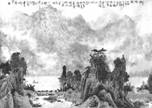
(2) (张伟明的山水画)
T: This is Zhang Weiming’s landscape. He shows his love to life in the great mountains. That is the reason why I like it.
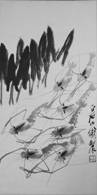
(3) (齐白石的国画)
T: This is Qi Baishi’s painting. He shows deep love to his life. That is the reason why I like it.
(鼓励学生自己用That is the reason why… 说出这三幅图的艺术风格。)
录音机/ 图片/ 小黑板
4.Learn to write a story.
3.Learn about paintings at home and abroad.
2.Go on talking about artists and their works.
1.Review object clauses and attributive clauses.
2. Homework
Write a passage about what you will feel and what you will say to your old friends when you are leaving school.
湖北省互联网违法和不良信息举报平台 | 网上有害信息举报专区 | 电信诈骗举报专区 | 涉历史虚无主义有害信息举报专区 | 涉企侵权举报专区
违法和不良信息举报电话:027-86699610 举报邮箱:58377363@163.com