
1.( ) A. horse B. word C. world D. thirty
2.( ) A. orange B. gym C. English D. page
3.( ) A. meat B. team C. healthy D. cream
4.( ) A. panda B. manager C. any D. factory
5.( ) A. city B. ice C. science D. uncle
3.Write your own fairy tale. (part)
设计理念:背诵单词与词组是不可少的,而自己编写一个童话故事,则有利于激发学生的学习兴趣。
整体设计理念
教材是供我们使用的,我们是用教材教,而不是教教材。新课程的理念要求我们以人为本进行素质教育,如果我们的学生本身英语基础一般,那我们应该有一个站得高看得远的终身学习的理念。相信通过教师自身的努力,我们的课改会真正落实在课堂教学的实践中。
2.Recite all the words and expressions. (all)
1.Finish the workbook. (all)
1.didn’t live 2. picked 3. noticed 4.knocked 5. entered 6. counted 7. picked 8. didn’t like 9. finished 10. tried 11. destroyed 12. looked 13. returned 14. didn’t notice 15. cried 16. pointed 17. cried 18. jumped 19. hurried 20. didn’t look 21. returned
设计理念:继续运用过去式,对课本进行更深入的研究学习。
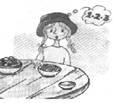
Step5 Work in pairs
Look at the picture and make sentences using the words given
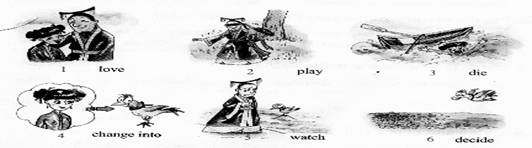

设计理念:重回模块任务,以实例验证学生掌握的情况。
Step5 Make a story
Put the sentences together to make a story. Use words like and, so, but, because, first, next, then and finally.
设计理念:根据学生掌握的情况,决定这一环节是否需要。
Homework
2. Revise the words and phrases in last period.
设计理念:本节课时主要完成写作任务,在写作之前对上一课时的词汇与短语进行复习是必要的,复述课文有利于写作的开展。
Step2 Number the sentences in activity6
设计理念:
把写作可能出现的难处预先处理好,为写作做好充分的准备。
Step3 Write
设计理念:课堂效益的提高不是在口头上或是花样上,而应该是实用性较强的双基上。写作课一定要让学生去实践、去体验、去交流。
Step4 Around the world
Learn something about fairy tales.
If they have questions about it, help them.
设计理念:这一环节可以简单处理,若没有时间则不处理。我们是用教材去教而不是教教材。
Step5 Module Task
Telling a story:
设计理念:模块任务体现在写作课时中,能更好地帮助学生学习整个模块。
Homework
设计理念:拓展学生学习资源,利用已有的经验进行写故事对学生是一种更好的激励。自我评价也是各类评价中的一种,也可以互相评价。
Period4
Unit3 Language in use
Step1 Revision
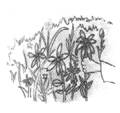

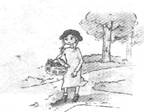

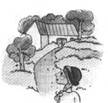

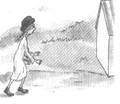

picked was lost noticed hurried
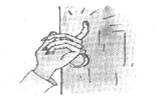

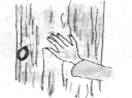

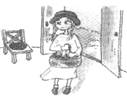


knocked pushed entered counted
设计理念:重复前面的内容,以便于学生因熟悉而更好掌握。
Step2 Summary
规则动词过去式的构成:
• 一般动词加-ed。如:looked, stayed
• 以e结尾的动词只加-d。如:hoped, lived
• 末尾只有一个辅音字母结尾的重读闭音节的动词,应先双写这个辅音字母,再加-ed.如:stop→stopped, plan(计划) →planned
• 结尾是“辅音字母+y”的动词,先将y改为i,再加-ed. 如:study-studied, carry-carried
• –ed(或-d)的读音:
• 在清辅音结尾的词后读[t].如:work→worked [kt], help-helped[pt]; 在浊辅音和元音后读[d]。如:call→called[ld], play-played[pleid]; 在[t]和[d]音后面发[id]。如:want-wanted[tid],need-needed[did].
设计理念:语法的归纳,虽然老套,但必不可少。
Step3 Practice
• Activity2 Complete the sentences with the correct form of the words in the box
• answer enter hurry jump like notice point return rush
• Goldilocks rushed out of the house
• Goldilocks didn’t live (not) in the forest
• Baby Bear _________ to the girl in his bed
• She _______________ the house
• Goldilocks ______________ out of bed
• She _____________ to the little house
• The three Bears ____________ (not) the door because they were out in the forest
• Goldilocks __________ (not) the food in the biggest bowl
• The three Bears ______________ (not) Goldilocks in bed at first.
• Goldilocks _______________(not) to that part of the forest again
设计理念:运用过去式的基本形式,通过练习,帮助学生查漏补缺。
Step4 Practise
Activity1: Do it individually. The answers:
1. Use first, next, then, finally to retell the story.
2. Read the story loudly three times. (all)
设计理念:读完故事要求最好会说故事,考虑到难度问题故此分层做。
Period3
Writing & Around the world
& Module task
Step1 Revision
1. Use first, next, then, finally to write a short passage or retell the story. (part)
2.Look at these sentences.
--First, they looked at the bowls and the chairs.
--Next the Bears looked in their bedroom.
--Then Baby Bear pointed at the little girl in his bed.
--Finally, Goldilocks opened her eyes.
设计理念: 这些句子实际是为以后的写作打下铺垫。
Homework
湖北省互联网违法和不良信息举报平台 | 网上有害信息举报专区 | 电信诈骗举报专区 | 涉历史虚无主义有害信息举报专区 | 涉企侵权举报专区
违法和不良信息举报电话:027-86699610 举报邮箱:58377363@163.com