
3. (教师将全班分成四组,通过小组活动完成3b。)
T: Next, work in groups and list some other living habits. Then discuss whether these living habits are good or bad for our health. After the discussion, one of your group members needs to give a report in the front.
2. (3a内容为我们进一步扩展了关于生活习惯的词汇及短语,让学生通过判断其中习惯的好坏,来学习和应用它们。)
T: Please look at 3a. Are these habits good or bad? If they are bad, write the good ones on the lines.
(一分钟后核对答案。)
(列出3a中出现的生词。板书并解释。)
|
fingernails, meals, without |
T: Let’s check the answers together. S1, please.
S1: Going to bed early. Good!
T: The next one, S2.
S2: Getting up late. Bad!
S3: Doing morning exercises. Good!
…
S8: Brushing teeth twice a day. Good!
(加大难度,由两人一组把以上习惯以选择疑问句的问答形式表现出来。)
T: Is getting up late good or bad for our health?
Ss: …
1. (看本节另一主人公王俊峰的生活事例,进一步练习关于生活习惯的一些短语,放2录音,完成2。)
T: Next, we’ll learn something about Wang Junfeng. Please open your books. Listen and check (√)your answers. How did Wang Junfeng get a headache?
(核对答案。)
3. (可让学生看1b示范,两人一组完成1b。)
Step 4 Practice 第四步 练习(时间:10分钟)
2. (在表演的基础上,通过教师对1a中主人公Kangkang的问题提问,学生回答,进一步强化对1a的理解。)
T: Now let’s talk about the story together. What causes Kangkang’s problem? What’s up? S2, please.
(必要时,可用汉语解释本句。)
S2: He watched a soccer game on TV last night. He went to bed very late.
T: So he didn’t get enough sleep. What’s Kangkang’s feeling?
Ss: Kangkang is tired and has a headache.
T: Yes. Because Kangkang didn’t get enough sleep, he is tired and has a headache. Then what’s Jane’s advice for Kangkang, S3?
S3: Jane thinks staying up late is bad for his health. She asks Kangkang to go to bed early tonight.
T: You are very clever. Is Kangkang going to bed early tonight?
Ss: Yes, he is.
T: Very good.
(让学生自编对话,巩固1a对话中所呈现内容。)
T: Next, make a dialog according to 1a and the example of 1b.
1. (让学生根据板书的关键词,用自己的语言表演1a对话。巩固1a中呈现的重要短语。)
T: Now please practice and act the dialog out in pairs, using the key words on the blackboard.
(教师走到学生中间指导。几分钟后,找一对同学到讲台前来表演。)
T: Well done!
2. (让学生跟读1a,并找出关键词。)
T: Now open your books. Read 1a after the tape and find out the key words in the dialog.
(收集信息时,可采用学生自愿举手发言的形式,也可抢答。教师板书关键词,为学生下一步自由表演做准备。)
(板书)
|
look
tired, headache, soccer game, stay up, late, be bad for …, feel better,
tonight |
Step 3 Consolidation 第三步 巩固(时间:8分钟)
1. (由生活习惯切入到主人公Kangkang的问题上来,设置听力任务。听1a录音。)
T: OK. This class let’s talk about healthy habits and unhealthy habits. Unhealthy habits are bad for our health, and they’ll make us ill or tired.
(必要时,可解释unhealthy habit。)
T: Today, our friend, Kangkang, looks tired. What’s wrong with him? Now, please listen to the tape and find out the answers.
(教师用多媒体或小黑板出示课前准备好的问题。)
(1)What’s wrong with Kangkang today? Why?
(2)What advice does Jane give Kangkang?
(核对答案。)
3. (通过图画展示一些生活习惯。然后教师让学生判断图画上表示的习惯是否有益健康。)
(教师可利用多媒体出示(1)一个学生晨跑的画面。(2)一个运动员不洗手就吃饭的画面。(3)一男孩吃饭囫囵吞枣的画面。(4)一男孩抽烟的画面。(5)一个学生早上做早操的画面。如果没有多媒体,教师可以直接表演动作或用出示图片的方式来导入。)

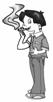



Picture 1 Picture 2 Picture 3 Picture 4 Picture 5
T: Let’s look at the screen. (Show pictures)
T: Is it good for your health?
Ss: Yes, it is./No, it isn’t.
T: (Show pictures) Is it good or bad for your health?
Ss: It’s good./It’s bad.
Step 2 Presentation 第二步 呈现(时间:7分钟)
2. (由疾病话题,谈及如何保持健康,再过渡到生活习惯。通过调查几个学生的生活习惯,导入本话题。)
T: When we are ill, we feel terrible. So health is very important. If we have good living
habits, we will be in good health. Do you think so?
Ss: Yeah!
T: Now I will make a survey about your living habits. Would you mind answering?
Ss: Of course not.
T: What do you usually do before going to bed, S1?
S1: I usually watch TV.
T: Do you usually watch TV late?
S1: No, I don’t.
T: Very good. It’s good for your health. (重复health这个词。)
(板书)
|
It’s good for your health. be good for |
T: S2, what do you usually do before going to bed?
S2: I usually play computer games.
T: Do you always do that very late?
S2: Yes, I do. I like it very much.
T: Oh, It’s too bad. Staying up late is bad for your health.
(解释并强化staying up late这个词组。)
(板书)
|
Staying up late is bad for your health. |
T: When are you going to bed tonight, S2? (重复tonight这个词。)
(板书并用英文解释tonight。)
|
tonight |
S2: I’m going to bed at nine tonight.
T: Good. It’s good for your health.
湖北省互联网违法和不良信息举报平台 | 网上有害信息举报专区 | 电信诈骗举报专区 | 涉历史虚无主义有害信息举报专区 | 涉企侵权举报专区
违法和不良信息举报电话:027-86699610 举报邮箱:58377363@163.com